New IWA Young Water Professionals Chapter in Thailand

Published on Nov 20, 2025
As part of IWA’s mission to empower Young Water Professionals to contribute to sustainable water management, a new IWA Young Water Professionals (IWA YWP) chapter was officially established in Thailand in September 2025. This IWA YWP chapter will be the country’s go-to network, boosting connections for YWPs and a platform to support equal opportunities and quality career development. As a voluntary network, the Thai chapter is open to all water professionals aged 35 or below who are enthusiastic, dedicated, and passionate about water-related issues. Here, Chotiwat Jantarakasem, Chair of YWP Thailand Chapter, presents some key points about the chapter.
Q: What was the motivation for setting up an IWA YWP Chapter in Thailand?
In Thailand, water holds deep cultural and spiritual significance. It plays a vital role in traditions, festivals, and beliefs. The country has a rich history of water culture, evident in celebrations such as Songkran, the Thai New Year, where water symbolises respect and renewal. During Loy Krathong, for example, people express gratitude and seek forgiveness from the river, and honour the goddess Kongkha, protector of waterways.
Historically, water has shaped Thai ways of life. During the Ayutthaya era, which began in 1350 AD (1893 BE), small boats were commonly used for commuting and trade. This legacy continues today in the form of the world-famous floating markets.
Because Thai life is so closely intertwined with water, the country faces significant challenges related to water quality, quantity, and accessibility. Emerging contaminants and transboundary issues further complicate the situation. Addressing these concerns sustainably requires negotiation, collaboration, and long-term commitment.
The Chapter strongly believes in the potential of Thailand’s young water professionals. Many talented individuals across academia, industry, government, NGOs, and the public sector have expressed a desire to contribute, often asking, “How can I help?” This inspired the Chapter to establish the YWP Chapter in Thailand to amplify these voices and centralise efforts to make a tangible impact in the water sector. The Chapter also aims to serve as a bridge connecting local YWPs with the global YWP community.
Q: How will the chapter contribute to the empowerment of YWPs to contribute to the national water agenda of Thailand?
Thailand’s National Water Agenda focuses on six key areas:
1. Safe and consumable water
2. Water security for agriculture and industry
3. Flood and disaster management
4. Water quality improvement
5. Watershed and forest restoration
6. Governance and administration
The Chapter will serve as a platform to connect, collaborate, and contribute to addressing persistent water challenges, regardless of their backgrounds. Members will be encouraged to share their visions, brainstorm solutions, and work together to support these six pillars. The Chapter will help transform ideas into actionable initiatives.
The priority will be to establish channels for youth engagement in national water issues through advocacy. This includes developing scientifically grounded content to raise awareness about the risks of contaminated drinking water, promoting the reduction of untreated domestic wastewater, and supporting informed water use in daily life through evidence-based communication.
The second flagship initiative will be to create opportunities for young professionals to present their ideas and connect with experienced experts. This will facilitate the exchange of knowledge and ensure the continuity of essential expertise, particularly in maintaining effective water systems.
Q: What are your aims and objectives for your chapter, and what activities do you plan to do?
Creating a supportive ecosystem. The Chapter aims to build an inclusive ecosystem that empowers YWPs to address water-related challenges collaboratively, both locally and internationally. Planned activities include team-building across diverse educational and professional backgrounds, developing workflows that enable remote and flexible collaboration, and establishing channels to mobilise resources for younger generations.
Leadership development inspired by the IWA Leadership Programme for Young Water Professionals (IWA LeaP). The Chapter’s formation was inspired by the IWA LeaP, through which its founding members were trained to become change agents within the YWP community. A key objective is to nurture future leaders among Thai YWPs. Once the team, workflows, and support systems are in place, the Chapter intends to share leadership opportunities with other capable YWPs, allowing them to co-pilot the community’s development. The long-term goal is to cultivate a new generation of YWP leaders who will continue to drive progress in Thailand’s water sector.
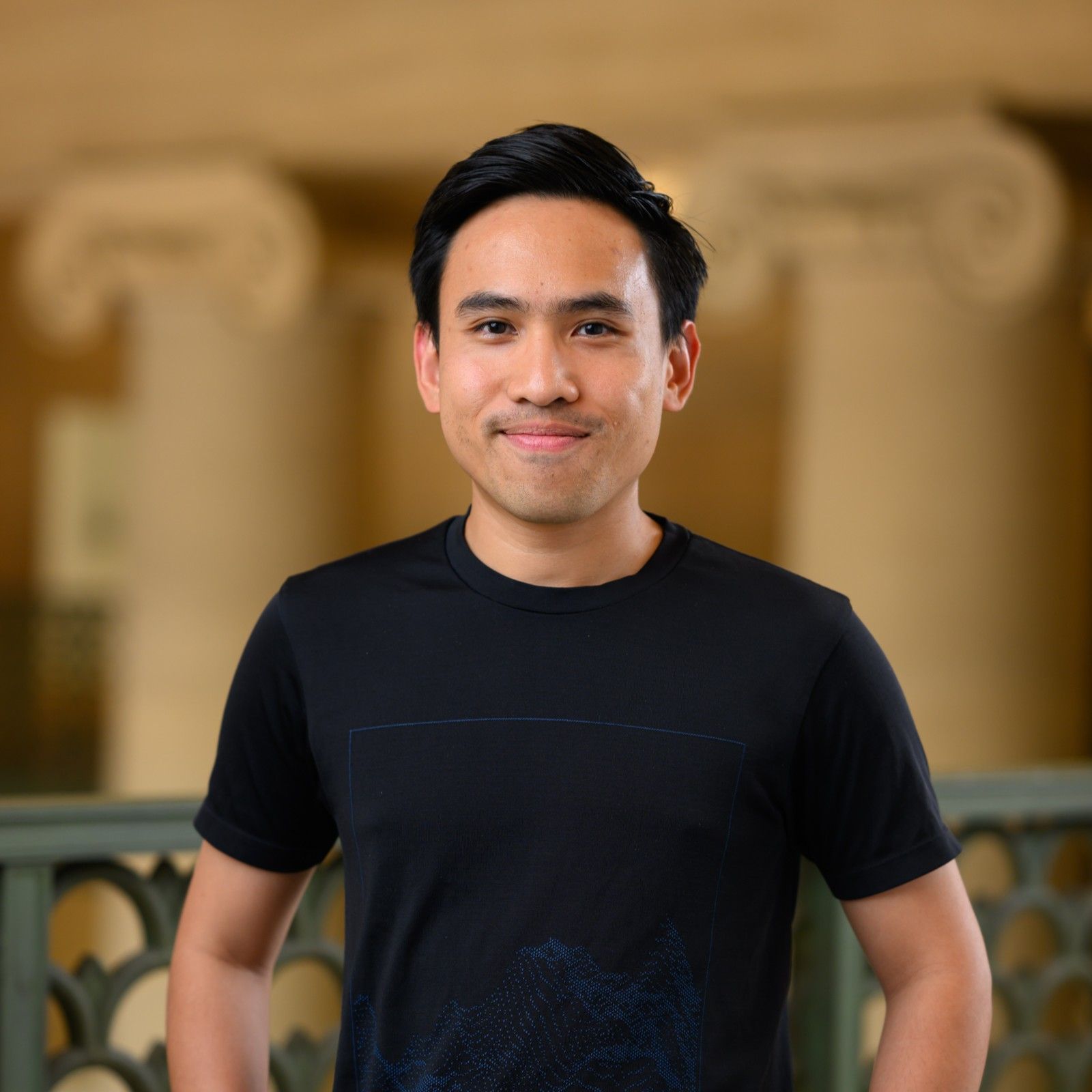
Dr Chotiwat Jantarakasem, Chair, Postdoctoral Associate, Massachusetts Institute of Technology
Chotiwat is a joint postdoctoral associate at the K. Lisa Yang Global Engineering and Research (GEAR) Centre and the Abdul Latif Jameel Water and Food Systems Lab (J-WAFS), Massachusetts Institute of Technology (MIT). A water quality engineer by training, he applies his expertise to improve access to safe and clean water in low-resource settings and is passionate about mentoring the next generation of Young Water Professionals to become leaders in the water sector. At MIT, he leads research initiatives addressing the need for clean water and adequate food, focusing on problem scoping and identifying opportunities in low- and middle-income regions and underserved communities. He is one of 12 members in the first cohort of IWA LeaP.
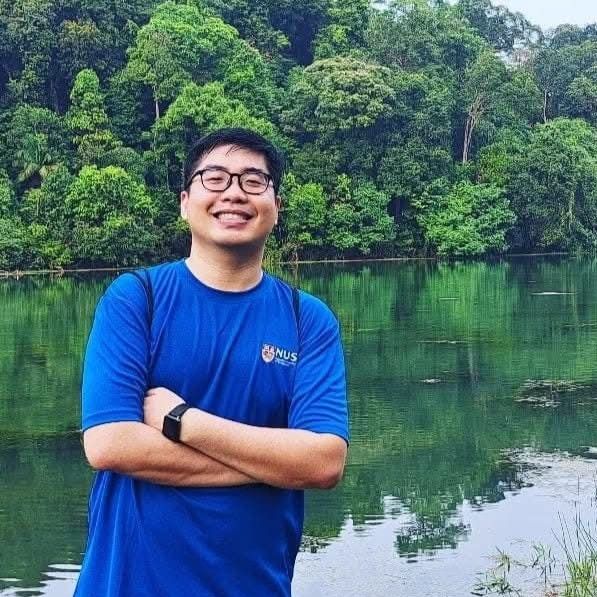
Thitiwut Maliwan, Vice Chair, Researcher, Chulalongkorn University
Thitiwut Maliwan is an environmental engineer and researcher specialising in microplastic and emerging contaminant removal through advanced water treatment technologies. His interest also integrates machine learning for the prediction, classification, and clustering of water and environmental data. He currently serves as a teaching and research assistant in the Department of Environmental and Sustainable Engineering at Chulalongkorn University and is a final-year PhD candidate in Environmental Engineering at the National University of Singapore (NUS). Thitiwut has extensive experience in academic research, with several publications and conference presentations, and actively collaborates with both governmental and industrial partners to advance sustainable water solutions.
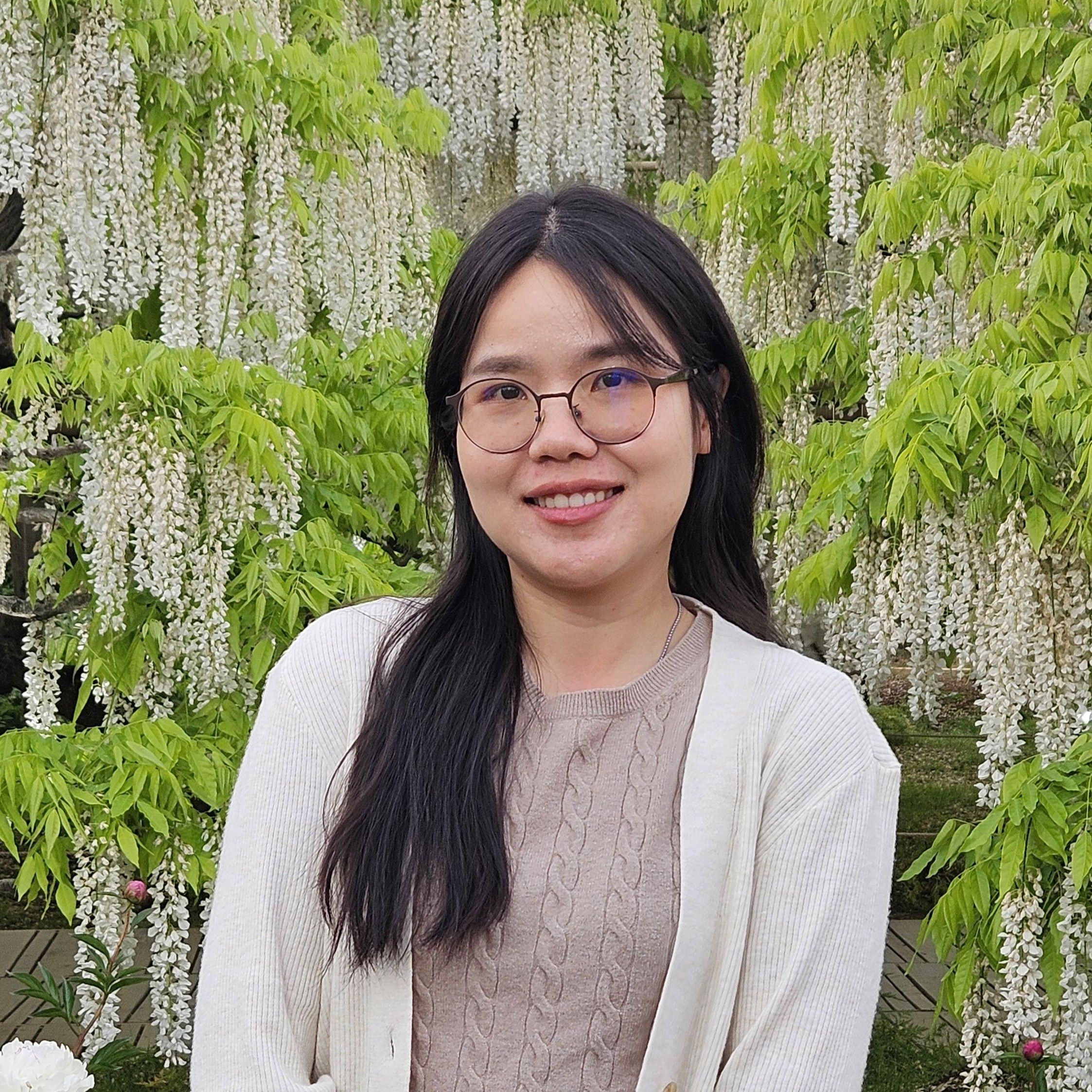
Pratamaporn Homyok, Secretary, PhD candidate, Chulalongkorn University
Pratamaporn Homyok is a PhD candidate in Environmental Engineering at Chulalongkorn University, focusing on advanced biological wastewater treatment. She also holds a Master’s degree in Environmental Engineering from Chulalongkorn University. Her research experience includes international collaboration with the University of Tokyo on target analysis of river water. Her expertise spans nitrogen removal pathways, high-resolution mass spectrometry of emerging contaminants, and microbial community analysis.

Dr Bongkotrat Suyamud, Strategic Advisor, Lecturer, Mahidol University
Dr Bongkotrat Suyamud is a lecturer in the Sanitary Engineering Department, Faculty of Public Health, Mahidol University. Her research focuses on understanding the interactions within environmental microbiology and environmental engineering, with a specific emphasis on combating the rising threat of emerging micropollutants such as antimicrobial resistance, microplastics, pharmaceutical products, and plasticisers. Her work involved investigating the source, transport, fate, and treatment of those pollutants to develop strategies to mitigate their impact on the environment. She was awarded the Water Young Professional Travel Award from the 13th IWA Micropol and Ecohazard Conference, National Taiwan University. Her work has significant implications for sustainable water management, informing global practices in water quality and public health.

Dr Patthranit Kunlasubpreedee, Treasurer, Innovation & Research Lead, Postdoctoral Researcher, The University of Tokyo
Patthranit is an Environmental Engineer specialising in water and wastewater treatment. She is currently a postdoctoral researcher at the University of Tokyo, working on biological strategies to improve the performance of membrane bioreactors. She holds a B.Eng. from King Mongkut’s University of Technology Thonburi, an M.Eng. from the Asian Institute of Technology, and a PhD from the University of Tokyo, where her research focused on environmentally friendly ways to control microbial characteristics in wastewater. Inspired by her research journey, Patthranit believes that water-related challenges in Thailand can be solved through scientific rigour and practical solutions. She hopes to contribute, even in a small way, to collaborative efforts that bring positive change to Thailand’s water future.
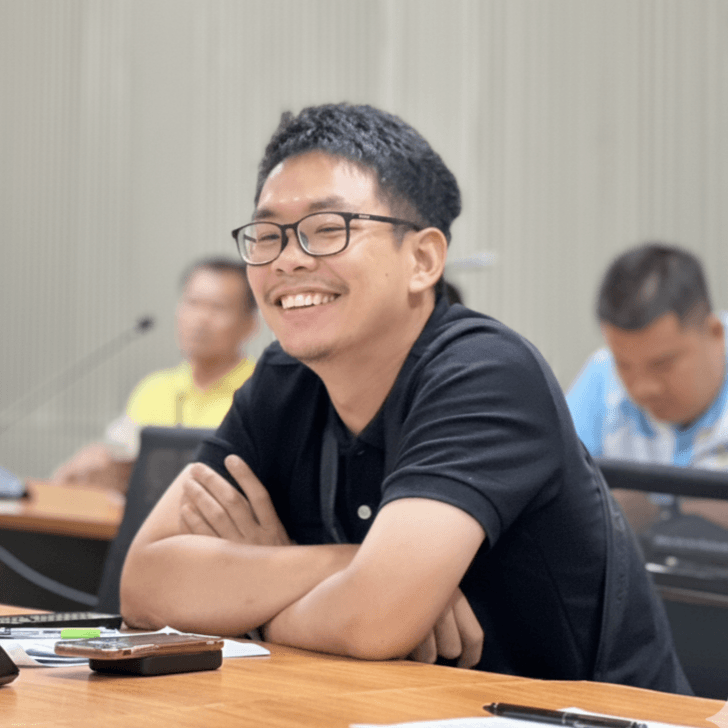
Thirawit Insuwan, Technical Working Group Lead, Sanitary Engineer, Lamphun Provincial Administrative Organisation
Thirawit is a Sanitary Engineer at the Lamphun Provincial Administrative Organisation in Thailand. He currently leads a team responsible for groundwater drilling projects to secure water resources for local communities. His work also focuses on developing and improving water management infrastructure to ensure sustainable and accessible water systems for the people of Lamphun Province.

Tanapong Ouppatampanon, Communication and Outreach Lead, PhD candidate, Chulalongkorn University
Tanapong is a PhD candidate in Environmental and Sustainable Engineering at Chulalongkorn University. He specialises in anaerobic process systems, with a strong focus on the modelling, control, and optimisation of biological reactions, particularly emphasising adaptive control strategies for anaerobic systems. He has actively participated in numerous engineering projects as a consultant, contributing to feasibility studies and offering technical expertise to the projects. Additionally, he has been involved in developing technical guidelines for wastewater treatment projects, effectively bridging the gap between technical frameworks and practical engineering applications of these guidelines.

Anchidtha Pachano, Membership, Event and Engagement Lead, Third-Year Undergraduate Student, King Mongkut’s University of Technology Thonburi (KMUTT)
Anchidtha Pachano is a third-year undergraduate student in Environmental Engineering at King Mongkut’s University of Technology Thonburi (KMUTT). She has demonstrated leadership and commitment to environmental initiatives, serving as the Chair of the Junior Environmental Engineering Camp 2025. Anchidtha has also participated in environmental conservation camps and the IWA Flow Ripple Workshop, gaining valuable experience and international exposure in the field. With a strong interest in water resources, sanitation, and sustainable development, she aspires to contribute to innovative projects that improve water quality, promote environmental protection, and create long-term positive impacts on communities.
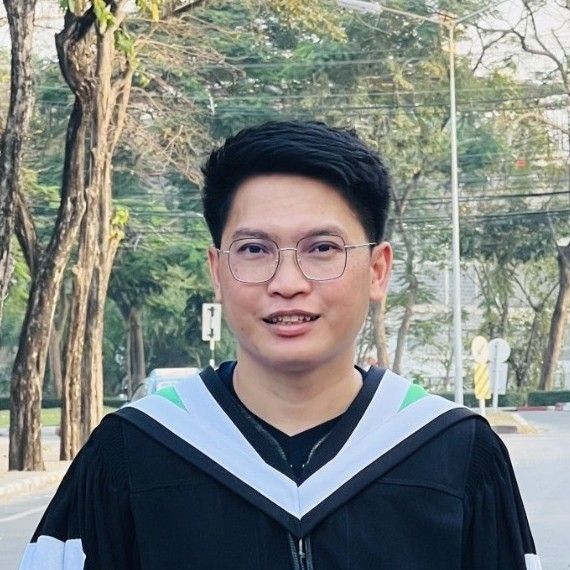
Dr Chawalit Chaiwong, External Coordinator and International Affairs, Senior Research Associate, Asian Institute of Technology (AIT)
Chawalit Chaiwong is a Senior Research Associate at the Asian Institute of Technology (AIT), Thailand, where he earned his PhD in Environmental Engineering and Management, specialising in water and wastewater engineering. His research areas include water and wastewater treatment, sanitation, and environmental monitoring and modelling, with a focus on resource recovery and reuse technologies. He has contributed to various international and national research projects, such as climate-smart WASH solutions with UNICEF, wastewater treatment and reuse technologies with the Bangkok Metropolitan Administration, and sustainable sanitation projects supported by the Bill & Melinda Gates Foundation, supporting the development of sustainable water and sanitation solutions for both urban and rural contexts.
If you have questions regarding the IWA YWP Community, please contact Isabela Espindola, IWA Membership Engagement Senior Officer.
Not an IWA member yet? Join IWA today! Unlock a world of opportunities and boost your global connections. For more information, visit: www.iwa-network.org/join/