Bringing Lakes Back to Life Through Science, Communities and Stewardship
Published on Aug 26, 2026
Written by Rohini Pradeep and Aparna Unni, CDD India, Bangalore
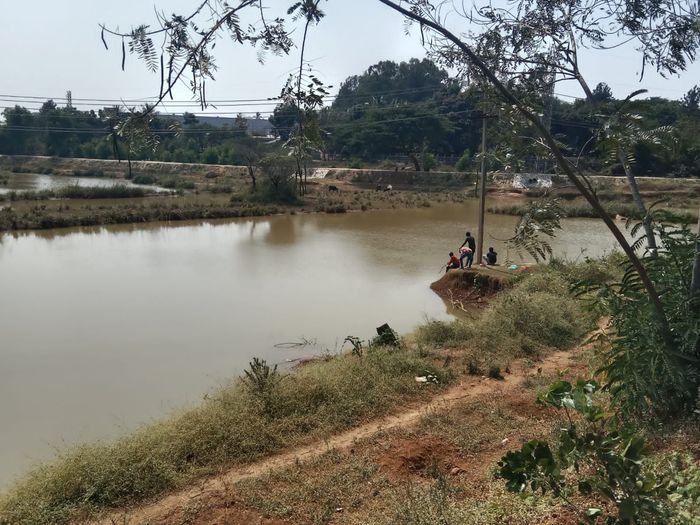
Freshwater is becoming an increasingly important challenge for sustainable development. As cities expand, water demand increases, rainfall patterns become less predictable and natural ecosystems come under pressure, protecting and managing freshwater resources is critical for making them resilient landscapes. In this context, lakes are not simply water bodies, they are an important part of freshwater systems that support people, ecosystems, and local livelihoods.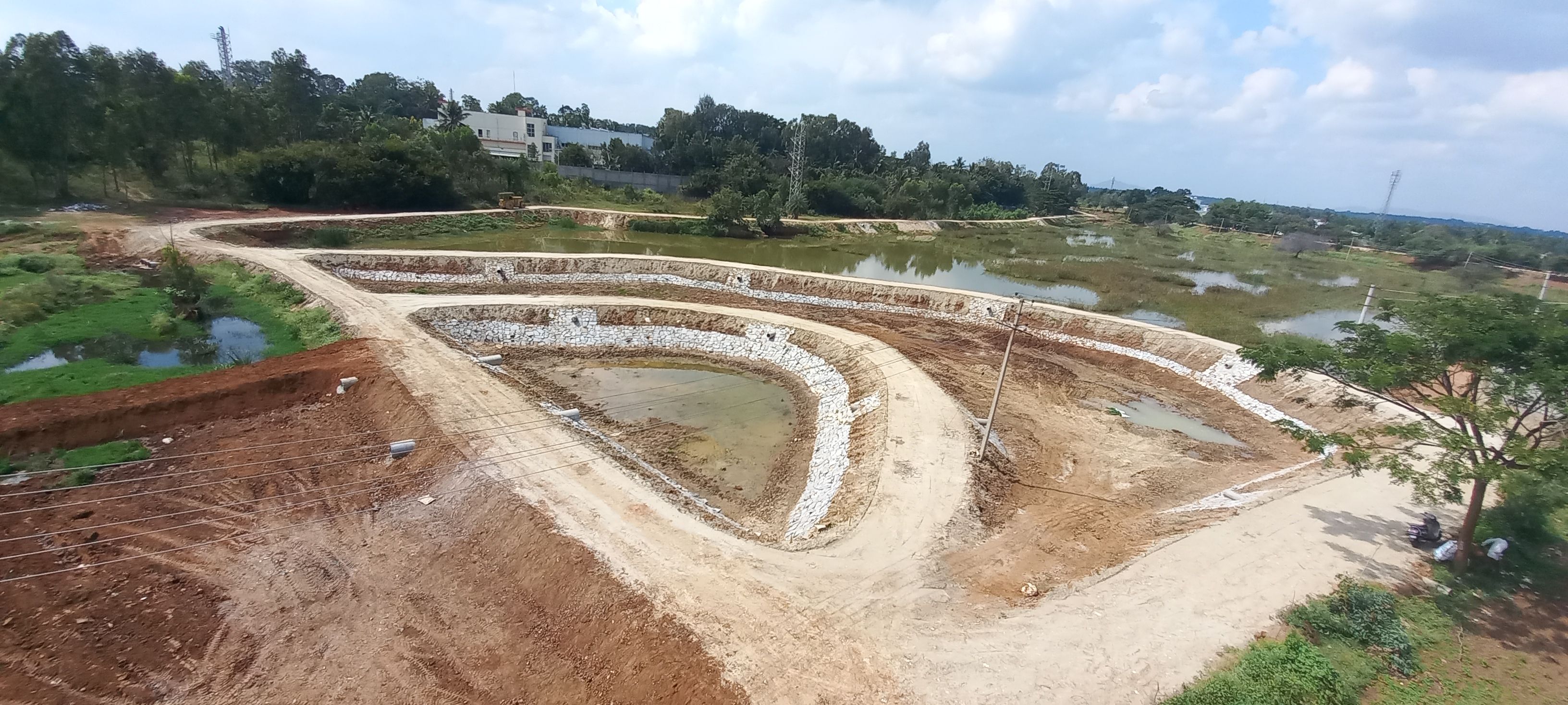
Lakes perform many functions. They store water, support groundwater interactions, provide habitat for biodiversity, regulate local hydrological conditions, and provide spaces that communities depend on. Restoring a lake, therefore, is not simply about desilting it or improving its appearance. It is about restoring the ecological, social, and economic functions that depend on the lake.
This is particularly important in rapidly urbanising areas, where natural drainage systems are changing, lake restoration must therefore be part of a broader approach to water security and climate resilience. This should combine science, engineering with ecological understanding, good governance, and long-term community stewardship.
For communities living around lakes, the relationship with the water body is often deeply rooted in everyday life. People observe seasonal changes, understand how water moves through the landscape, recognise areas that flood, and have seen how the lake has changed over time. This local knowledge important alongside technical assessments and critical to understanding a lake and its role in the community.
The experience of Veerapura Lake in Bengaluru Rural District, Karnataka, provides a useful example. Community engagement was a central part of the lake rejuvenation process. Women living around the lake, many of whom had a long-standing relationship with it, shared knowledge about its history, seasonal behaviour, changing conditions, and interactions with the surrounding community. Their knowledge complemented technical assessments and helped develop a shared understanding of the lake's ecological and social importance.
This experience demonstrates that lake restoration is not only about understanding the physical system. It is also about understanding the people who live with it.
Bringing a lake back to life requires more than engineering
Lake rejuvenation is often associated with physical interventions such as desilting, strengthening embankments, improving inlets and outlets, restoring catchments, and addressing pollution sources. These interventions can be important, but they are only one part of the restoration process. Their health is closely linked to the condition of their catchments, groundwater, drainage networks, and surrounding landscapes. It also depends on how people use the resource and how communities respond to emerging pressures.
At Veerapura, community members were involved throughout the restoration process. They contributed to defining the problems, developing the rejuvenation concept, participating in community meetings, and supporting implementation. Their involvement encouraged wider participation and helped build trust between residents and the project team. As a result, restoration was not seen simply as an external intervention, but as a collective effort owned by the community.
This sense of ownership is critical because the life of a lake does not end when a restoration project is completed.
From restoration to stewardship
The success of lake rejuvenation should not be measured only by how a lake looks immediately after implementation. Its real success lies in whether it continues to function as a healthy ecosystem over time.
At Veerapura, the women who participated in the restoration continued to champion the lake. They promoted responsible use, encouraged community awareness, and inspired others to care for the shared resource. Their role evolved from participation into stewardship. When communities see a lake as a shared resource, restoration becomes more than a project. It becomes a continuing responsibility.
The Veerapura experience offers an important lesson: technical expertise can help restore a lake, but communities help keep it alive.
The women living around the lake brought local knowledge, participation, leadership, and a sense of responsibility to the restoration process. Their involvement strengthened community ownership and helped extend the benefits of restoration beyond the project period.
This lesson goes beyond Veerapura. Every lake has its own history, ecological characteristics, and relationship with the communities around it. Lake restoration therefore needs to recognise local realities and involve communities from the beginning.
Community participation should not be an additional activity added to a restoration project. It should be part of how lake restoration is planned, implemented, and sustained.
Keeping the lifeblood flowing
Keeping that lifeblood flowing requires more than restoring water—it requires restoring our relationship with water. We need appropriate technical solutions to restore degraded lakes, stronger protection of catchments and water sources, institutiocuns that can manage lakes over the long term, and communities that see themselves as custodians of these shared resources.
The story of Veerapura reminds us that a lake can come back to life when people come together to understand it, restore it, and take responsibility for its future.
Lakes are the lifeblood of our planet. Keeping that lifeblood flowing requires more than restoring water—it requires restoring our relationship with water.
A restored lake is not just an environmental success. It is an investment in people, resilience, biodiversity, and the future of our planet.