Building Resilience: How Laguna Water is Securing the Future of Water
Published on Mar 26, 2026
By Floracoelli M. Masajo-Hernandez, Dianne Marie C. Villareal, Lheizel U. De Jesus and Constantine O. Uy, Regulatory Affairs Department of Laguna Water, Philippines
Laguna is among the fastest growing provinces in the Philippines. Within reach of the country’s capital, Manila, the province is now home to major industries as it continues to urbanise. The boom in economic activity has continuously generated jobs and improved the quality of life for many individuals but also poses risks for the water landscape of Laguna.
The growing demand for water, coupled with the environmental changes, exposed the vulnerability of Laguna’s water sources. Strain on groundwater aquifers due to climate change impacts highlights the risk for long-term water availability. The province’s watersheds have been experiencing noticeable biodiversity loss, rising water and air pollution, and increasing siltation that affects natural water flow and quality.
Laguna AAAWater Corporation (Laguna Water) serves a fast-growing province, providing water and wastewater services to about 930,367 individuals, around 25% of Laguna’s population, including 2,646 commercial accounts, composed of major industries in Laguna Technopark, Inc. As Laguna continues to urbanise, this expanding customer base has placed increasing pressure on the province’s already sensitive water resources.
Operationally, Laguna Water has also historically dealt with significant NRW losses, with a pre-acquisition rate of 48% in 2009. Wastewater challenges add another layer of complexity. Pollution in Laguna de Bay and its tributaries has increased the demand for broader sanitation coverage to protect both communities and the environment. Moreover, the looming effects of climate change also puts urgency on minimising the company’s greenhouse gas emissions and contributing to the national and global commitments.
To mitigate these challenges, Laguna Water has adopted a unified and strategic approach to ensure long-term water sustainability while delivering world-class water and wastewater services.
Adapting to climate change
Laguna Water prepares for the growing climate risks that will influence potable water supply, wastewater management, and the environmental health of Laguna’s water bodies. The company’s forward-looking adaptation strategy begins with its over USD30 million investments in system upgrades and infrastructure development which helped in achieving 24/7 at a minimum of 10 psi supply for its customers, with 23.8% water buffer.
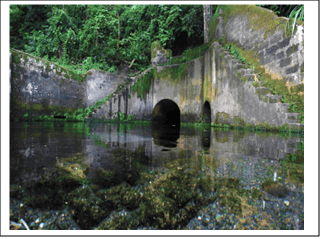
Fig 1. Matang Tubig Spring serves as the main surface water source of Laguna Water boosting supply buffer to 23.8%
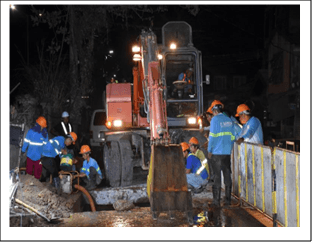
Fig 2. Pipe replacement work for network efficiency
Part of this progress comes from reducing NRW. By using pressure regulating controllers, data loggers, and replacing 143 km of pipes, Laguna Water cut NRW from 48% in 2009 to 24% in 2024, recovering 7.82 MLD of water and easing pressure on groundwater sources. To secure water supply, Laguna Water also diversified its current portfolio by integrating the Matang Tubig Spring as its main surface water source by securing 469 L/s of extraction rights and developing a 17MLD bulk water project that can support roughly 438,000 customers.
Laguna Water also rolled out proactive measures to maintain 100% compliance with national drinking water standards. Implementing innovations like Oxtube and Degasifier Pilot Projects and equipping its laboratory for radon testing allows Laguna Water to stay ahead of compliance standards. On wastewater management, the TSEK ng Bayan programme expands services using advanced technologies like the Food Chain Reactor and Biological Nutrient Removal systems.
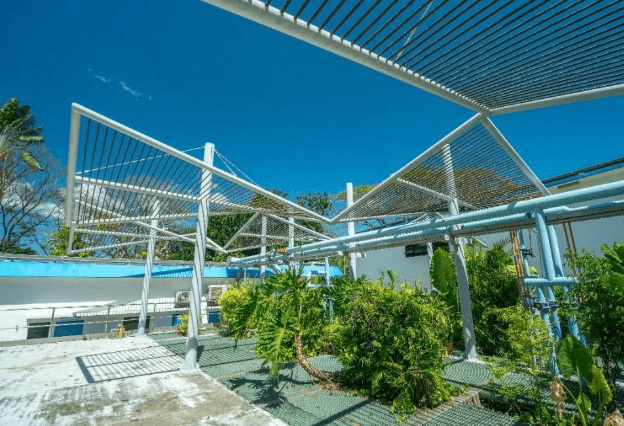
Fig 3. Laguna Water uses the Food Chain Reactor as one of its biological treatment systems used to process domestic wastewater
To keep everything running during storms or outages, Laguna Water modernised its systems, added backup power, and strengthened its Business Continuity Plan to support long-term operational and leadership resilience. These initiatives are guided by its Sustainability and Climate Change policies, which provide an enterprise-wide framework for long-term planning, proactive climate risk management, and continuous enhancement of operational resilience.
Mitigation actions
Laguna Water complements its adaptation strategy with a strong commitment to reducing its own carbon footprint. It aligns its mitigation targets with the Paris Agreement, the Philippines’ Nationally Determined Contributions, and the United Nations Sustainable Development Goal on Climate Action. The company set an internal target of reducing emissions by 7% compared to business as usual and has implemented concrete measures to help achieve 18% reduction in 2024.
One of its most significant mitigation efforts is the integration of renewable energy. Laguna Water’s solar panel installations have produced 295,372 kWh of clean energy, resulting in 139.07 tons of CO₂e avoided. This reduces reliance on grid supplied electricity and lowers emissions from energy intensive water operations.
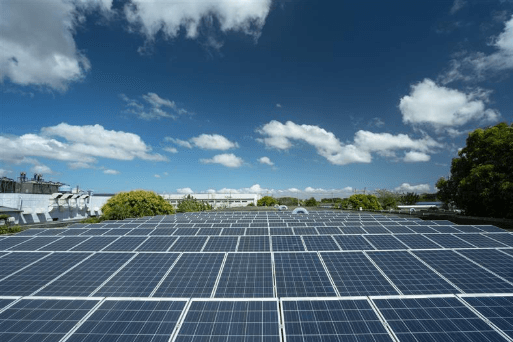
Fig 4. The installation of solar panels in key facilities allowed Laguna Water to use renewable energy to augment its electricity needs
The company also implements multiple energy efficiency initiatives, including Variable Frequency Drive (VFD) control panels, capacitor banks, and eco-efficient pumping systems, all of which contribute to more efficient power use across facilities. Laguna Water is also among the early participants in the Retail Aggregation Programme (RAP), allowing it to procure electricity from alternative suppliers to improve efficiency and reduce the carbon intensity of its energy mix.

Fig 5. Technologies like the Torishima Eco-pump were installed to improve energy efficiency
Together, these actions reflect Laguna Water’s forward-looking approach to minimising greenhouse gas emissions while improving operational performance.
Communication with citizens
The company engages actively with local government units, regulators, and communities to promote awareness of water safety, sanitation, and environmental protection.
Through watershed councils and environmental programmes, Laguna Water helps implement clean up drives, tree growing activities, solid waste recovery efforts, and educational campaigns that link environmental health with water security. The company also conducts public information sessions, sanitation education through TSEK ng Bayan, and collaborative forums with national and local agencies. These platforms help customers understand proper sanitation practices, the importance of desludging, and how wastewater treatment protects Laguna de Bay and other critical water bodies.
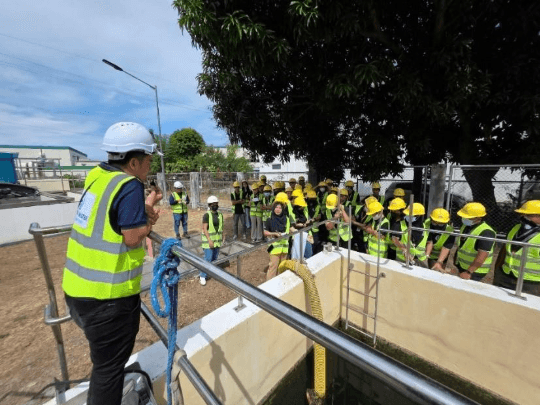
Fig 6. Laguna Water conducts facility tours to inform stakeholders about the water and wastewater process and encourage wise water use and proper sanitation
Through consistent communication and community partnerships, Laguna Water builds trust, strengthens local capacity, and ensures that citizens are informed participants in climate resilient water and sanitation management.
Lessons Learned
Laguna Water’s experience highlights the importance of proactive, climate resilient water management amid growing environmental and socioeconomic pressures. Early recognition of climate risks, such as extreme weather, declining groundwater recharge, and watershed degradation, enables utilities to design long-term strategies that safeguard water security.
Laguna Water also learned that diversifying water sources and maintaining a strong supply buffer are critical to ensuring uninterrupted service, especially in climate vulnerable regions. The company’s success in significantly reducing NRW demonstrates that technology-driven efficiency improvements can recover valuable resources while easing pressure on natural ecosystems. Furthermore, the integration of comprehensive water safety planning, wastewater innovations, and renewable energy initiatives underscores the value of aligning operations with sustainability commitments.
Finally, Laguna Water’s collaborative approach, of working with government, industry, and communities, reveals that partnerships amplify impact and are essential for building climate smart, resilient utilities.