From A Seed of Recognition to a Forest of Resilience: GWL’s Journey to Connect Ghana’s Unconnected
Published on May 19, 2026
Summary
In 2023, Ghana Water Ltd (GWL) was deeply honoured to be recognised by the IWA Climate Smart Utilities Recognition Programme. Our submission detailed a vision: to leverage technology and social inclusion to serve the most vulnerable communities in Ghana. That recognition was more than an award; it was a catalyst. The very concept presented; expanding piped water services to Low-Income Urban Communities (LIUCs) by maximising our existing, underutilised water treatment infrastructure, blossomed into a transformative, large-scale project.
That seed of an idea, validated by the IWA, became the foundation for a successful proposal to the African Development Bank’s (AfDB) Climate Action Window. In 2024, the project was prioritised to receive a landmark $7.8 million grant. Inspired by this momentum, the Danish Ministry of Foreign Affairs (DANIDA) committed to a significant top-up, bringing the total project value to approximately $17 million.
In this story, we present our journey from a recognised concept to one of the most significant climate adaptation and mitigation initiatives in Ghana's urban water sector. We are not just building pipes, we are building resilient communities, proving that serving the poor is not only a moral duty but also a climate-smart, financially viable strategy.
Overview
Problem
- Shifting rainfall patterns causing severe droughts and floods across Ghana
- Unreliable and unsafe traditional water sources such as wells, streams and boreholes
- Low-income urban communities historically bypassed by piped water distribution networks
- High reliance on carbon-intensive coping mechanisms such as boiling water and diesel water trucks
- Significant water loss through Non-Revenue Water (NRW) due to leaks and poor monitoring
Solution
- Construction of 300 km of climate-resilient small-scale water networks using durable, drought-and-flood-resistant materials
- Utilisation of surplus capacity in 25–30 existing GWL water treatment systems, avoiding the need for new carbon-intensive infrastructure
- Installation of 15,000 subsidised new service connections to households, schools, and health facilities
- Integration of smart meters on new connections for real-time network monitoring and rapid leak detection
Actions supported
- Mitigation
- Mitigation
- Leadership
Problem
In Ghana, climate change is not a distant threat; it is a daily reality for millions. Shifting rainfall patterns lead to severe droughts and floods, making traditional water sources like wells, streams, and rainwater harvesting increasingly unreliable and unsafe. GWL’s project directly confronts this challenge by fundamentally transitioning: moving communities from highly vulnerable, climate-exposed water sources to the safety and reliability of a professionally managed, treated pipe-borne water system.
While water utilities are essential for life, they are also significant energy consumers, accounting for up to 4% of global electricity consumption. GWL’S mitigation strategy is therefore focused on profound efficiency gains, moving away from high-emission practices and embedding sustainability at the core of our operations.
Solution
Adapting to climate change
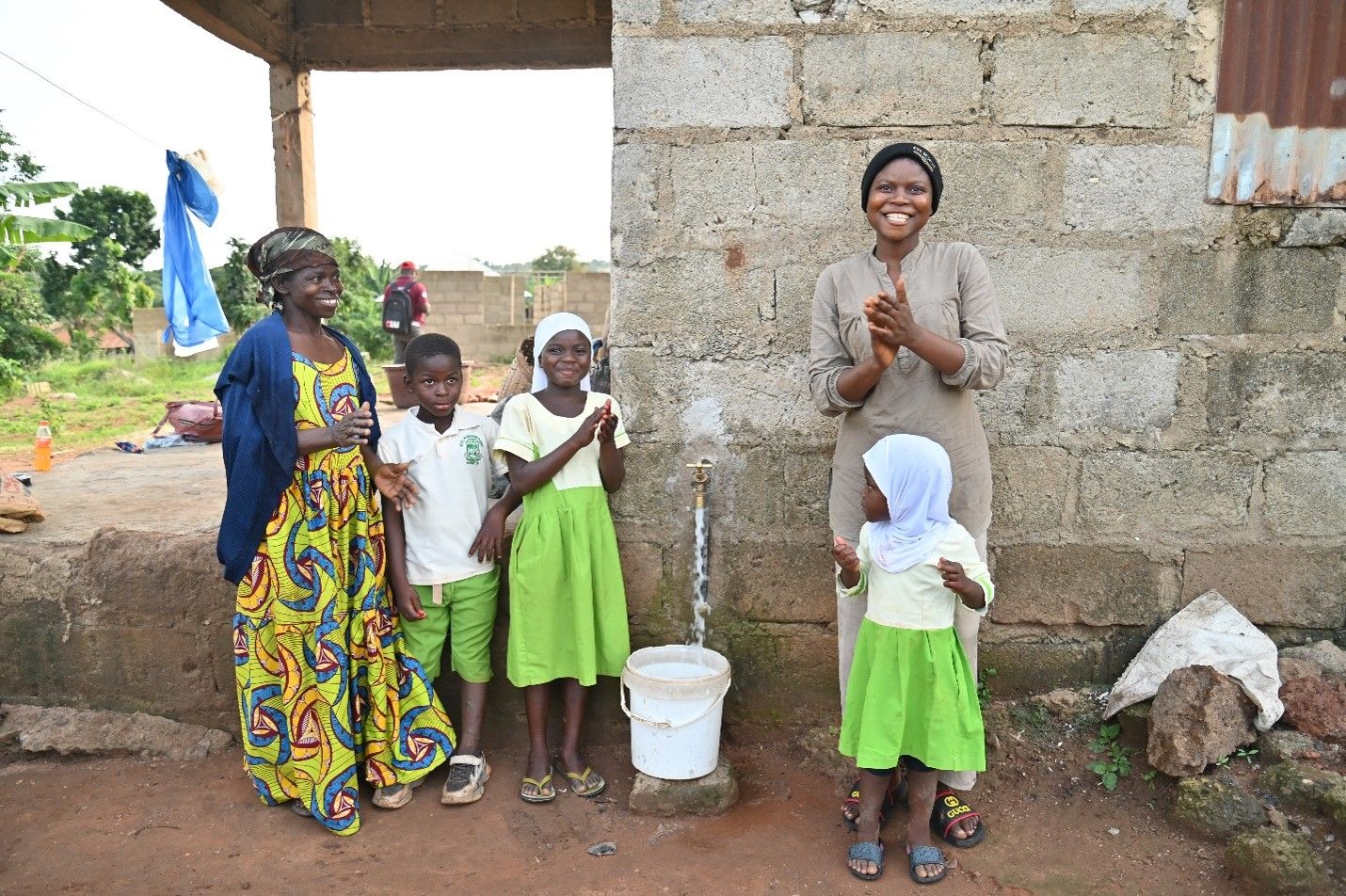
GWL’s adaptation strategy is grounded in two core principles: smart infrastructure and community empowerment. Rather than investing in carbon-intensive new treatment plants, the utility, through a project, has maximised its impact by leveraging surplus capacity within 25–30 of GWL’s existing urban water systems, thus enabling rapid and cost-effective expansion. Under this project, GWL plans to construct 300 km of climate-resilient, small-scale distribution networks using durable materials designed to withstand both droughts and floods, extending reliable water access to communities that have long been underserved. This approach directly protects the most vulnerable communities by delivering 15,000 subsidised service connections to households, schools, and health facilities. For women and girls, who bear the greatest burden of water collection, this represents a transformative shift, saving an average of 30 minutes each day and freeing time for education, livelihoods, and caregiving. By strengthening access at the household level and ensuring that schools and clinics have dependable water supplies, GWL reinforces essential social services and builds resilience against the growing economic and social pressures of climate change.
Mitigation actions
GWL’s core mitigation strategy focuses on optimising the use of existing surplus treatment capacity. This approach avoids the significant carbon footprint associated with constructing new large-scale infrastructure. By extending piped networks, the utility also reduces communities’ reliance on carbon-intensive coping mechanisms, such as boiling water or purchasing water delivered by diesel-powered trucks.
Another key mitigation approach is the use of smart technologies to reduce Non-Revenue Water (NRW). New service connections are equipped with smart meters, enabling improved network monitoring, faster leak detection, and ensuring that treated water reaches customers rather than being lost. Every cubic meter of water saved translates directly into energy savings in treatment and pumping, resulting in a measurable reduction in greenhouse gas emissions. This initiative builds on the innovative “fly-by” drone-based meter reading system piloted in 2023, demonstrating our continued commitment to leveraging technology to enhance efficiency and sustainability.
Lastly, by connecting new customers and maximising the efficiency of existing assets, the utility generates a sustainable revenue stream that strengthens GWL’s financial position. This in turn enables further investment in low-carbon technologies and creates a virtuous cycle of green growth. Detailed analysis performed by the utility shows an Economic Internal Rate of Return (EIRR) exceeding 25%, demonstrating that climate-smart, pro-poor investments can deliver strong financial performance.
Communication with citizens
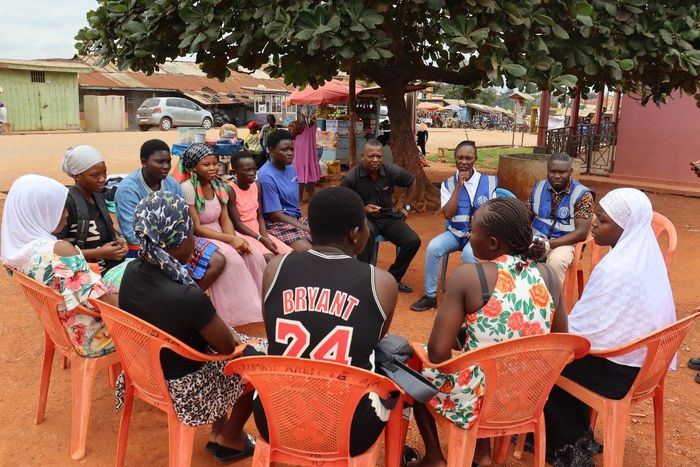
True leadership lies in demonstrating what is possible and sharing that blueprint with others. This project reflects that commitment, showing a practical pathway for delivering sustainable, climate-smart solutions that others can replicate.
From Local Success to a Replicable Model: The utility has transformed a successful, localised concept into a national program with international backing. This project serves as a powerful, evidence-based model for other African utilities facing the dual challenges of climate change and rapid urbanisation. It demonstrates that expanding services to low-income areas can be financially sustainable while simultaneously strengthening climate resilience and reducing carbon emissions.
Debunking Sector Myths: For too long, the assumption has been that serving low-income households is a commercial drain on utilities. Our work, supported by extensive data, proves the opposite. When services are accessible and affordable, these communities are reliable customers who value and pay for safe water. Our financial analysis for the African Development Bank (AfDB) shows that each new connection contributes positively to GWL's operating margin. This represents a critical shift in understanding, and one we are actively sharing to help reshape perspectives across the continent.
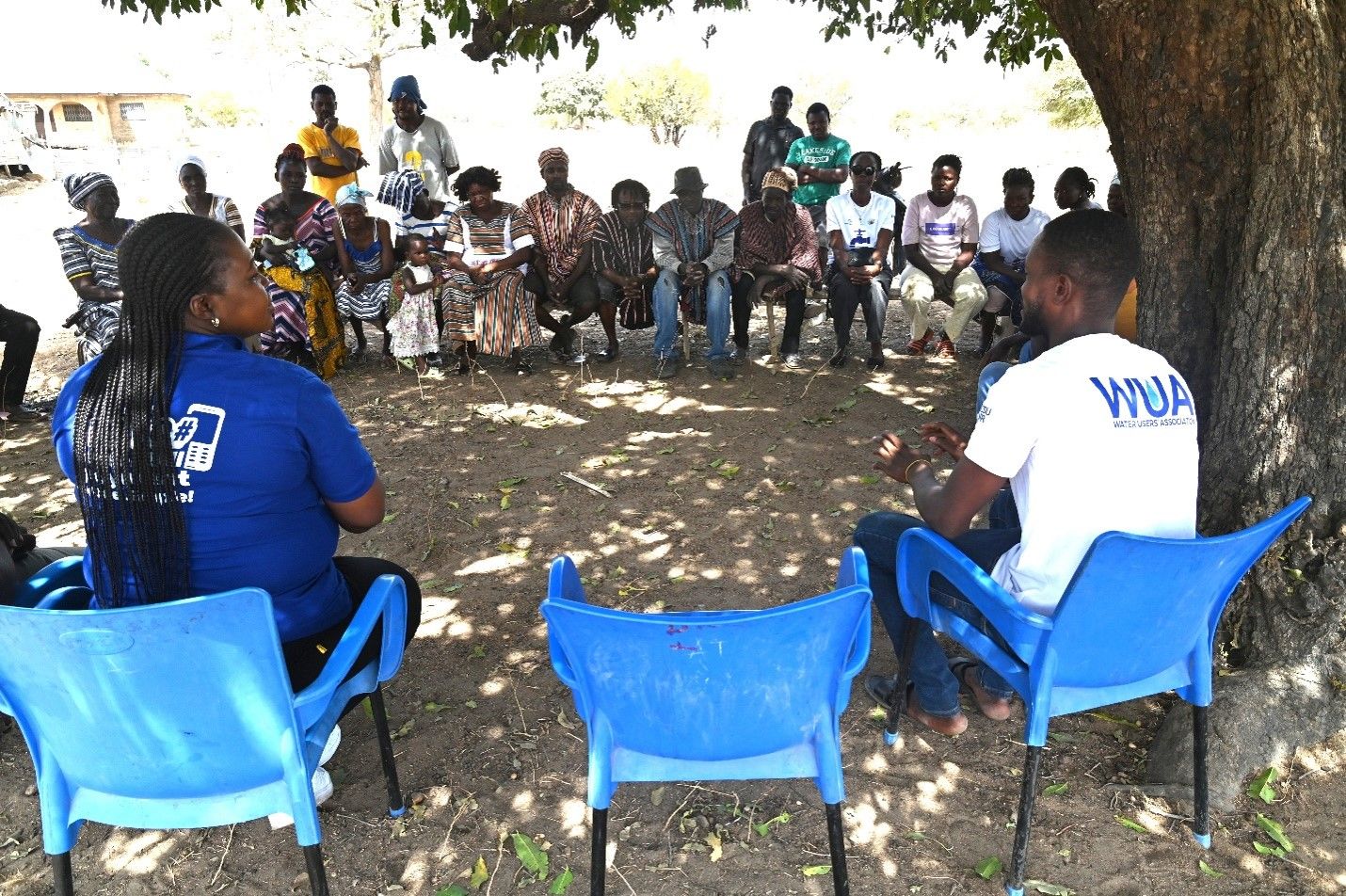
Building Coalitions for Change: This project is a testament to the power of partnership. By bringing together the AfDB, the Danish Government, civil society partners like the Ghana Red Cross Society, and community leaders, we have built a broad coalition for climate action. We are committed to disseminating the lessons learned through stakeholder forums, South-South exchanges, and platforms like IWA to inspire and enable others to replicate this success.
The IWA recognition: Through this project, the utility has built a broader movement. Through IWA’s recognition programme, GWL has advocated for a new paradigm in water management across Africa—one that is inclusive, resilient, and equipped to meet the climate challenges of tomorrow.
About the author(s)
Faustina Boachie is a water sector professional with extensive experience in project coordination, stakeholder engagement, and urban water management in Ghana. She contributes to advancing resilient, low-carbon water services, working closely with partners to strengthen institutional capacity, improve service delivery, and support sustainable, inclusive access to water in the face of climate change.
About the Institution/organisation
Ghana Water Ltd is a state-owned utility responsible for urban water supply across Ghana. The company produces, treats, and distributes potable water, ensuring reliable service delivery. It is committed to strengthening institutional capacity, modernizing infrastructure, and enhancing operational performance to meet growing urban demand.
Ghana Water Limited Website: https://www.gwcl.com.gh/