From Data to Decision: Embracing digital technologies improved water services

Published on May 20, 2026
by Eng. Daniel Ng'ang'a
For years, water utilities operated on handwritten ledgers and delayed meter readings. These systems offered little verifiable data and even less accountability. The outcome was predictable: high non-revenue water, unbilled consumption, and revenue leaks hidden from view. Without reliable data, service delivery became guesswork rather than precision.
I have spent over 20 years designing, developing, and managing utilities across Kenya's major towns. Most of this journey has been at Murang'a Water and Sanitation Company (MUWASCO), where I serve as the pioneer Managing Director. We serve more than 175,000 residents in a town that is rapidly evolving into a county headquarters. Manual processes slow us down, they cost us revenue, visibility, and public trust. This realisation drove our digital transformation.
The results speak for themselves. At Murang'a, we reduced Non-Revenue Water from 58 percent to 24 percent over three years. That is water kept in the system. That is revenue recovered for reinvestment. That is, public trust has gradually been rebuilt.
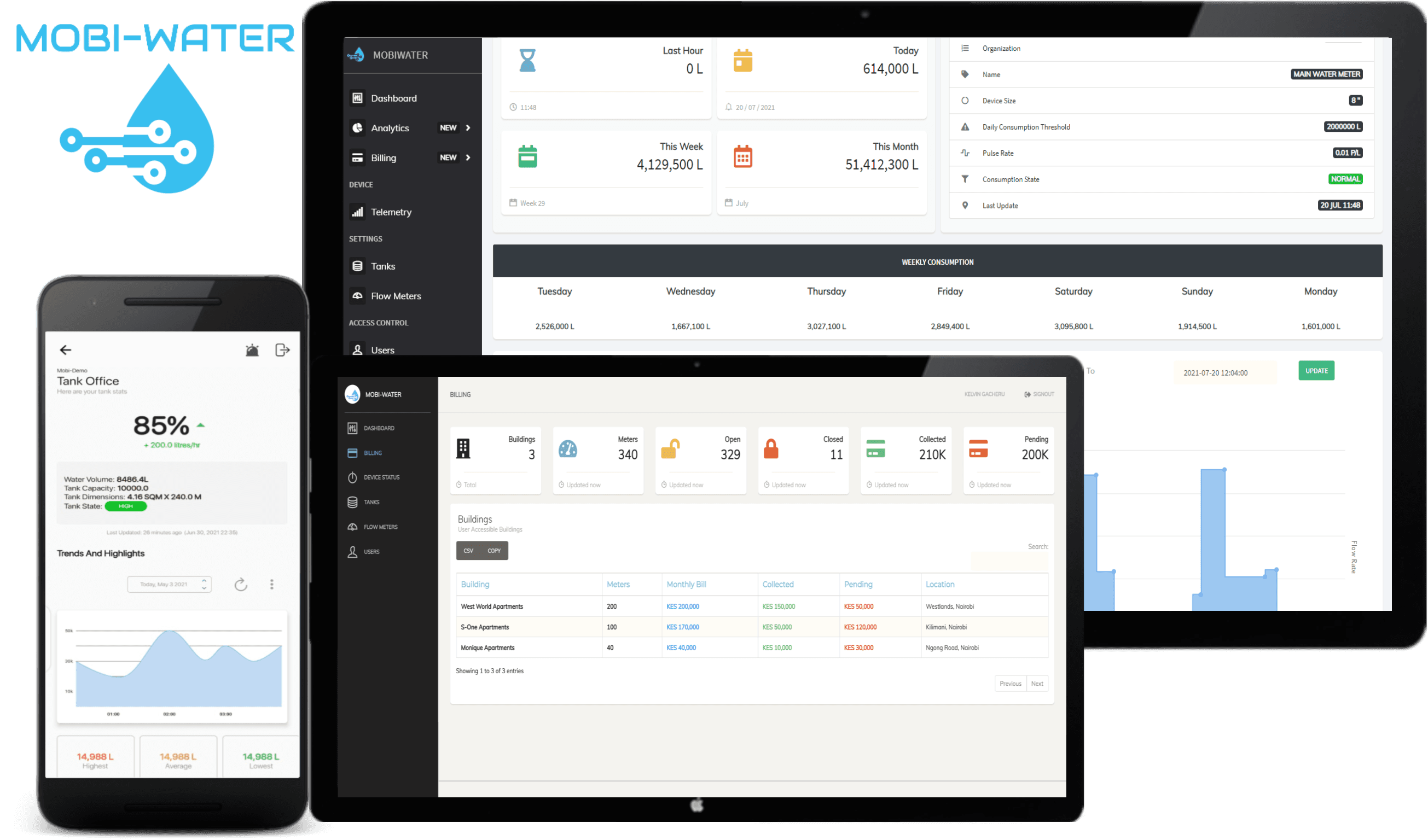
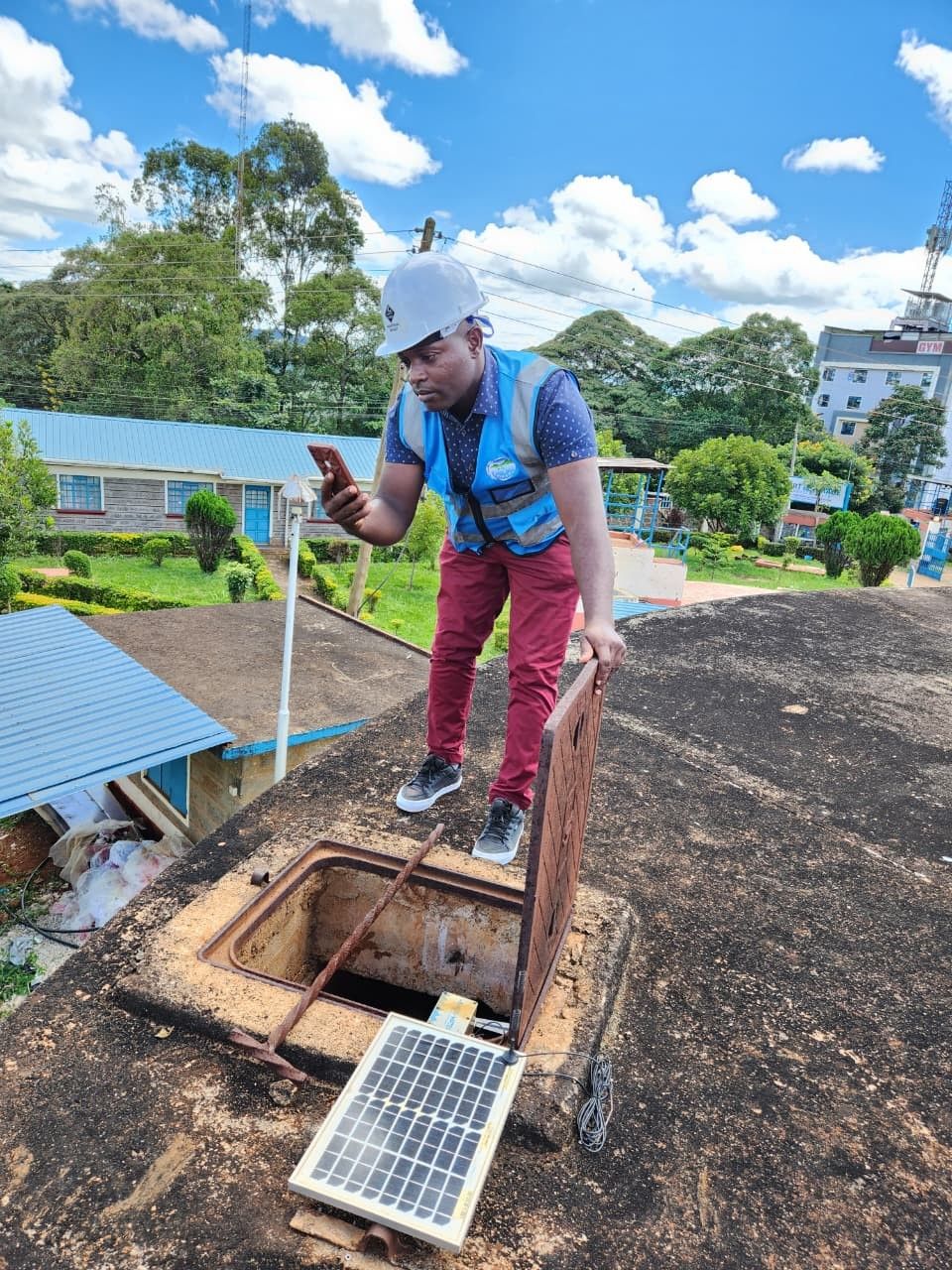
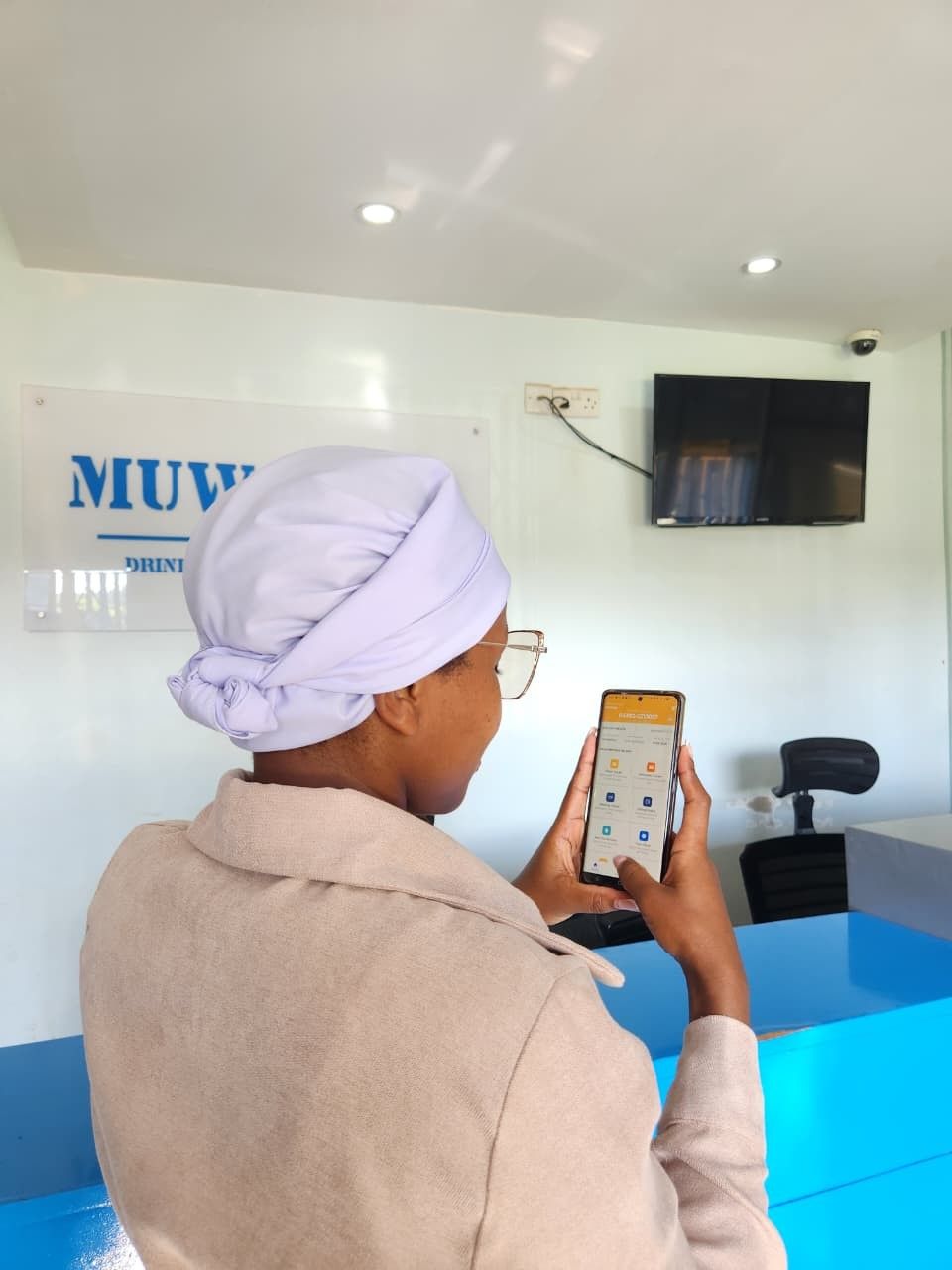
Digitalisation turns raw data into predictive, prescriptive actions. This is not merely about converting paper records to digital formats, it is about elevating information into actionable intelligence. Across Africa, a decisive shift toward what I call the "Smart Water Journey" is now taking shape. At Murang'a, we built GIS-enabled asset maps to understand our network. We deployed IoT sensors for real-time monitoring of pressure, flow, and tank levels. We launched customer self-service applications on mobile platforms. We installed low-cost smart meters to extend visibility to the customer edge. Guided by the International Water Association's leadership on non-revenue water reduction, we now make data-driven strategic decisions. The result is a more transparent, efficient, and resilient utility.
Yet digitisation is only the first step. The next frontier lies in implementing an intelligence layer powered by artificial intelligence and machine learning. This evolution will move African utilities from descriptive analytics into predictive and prescriptive decision-making. Predictive maintenance algorithms can forecast pipe or pump failure before it happens, reducing downtime. Leakage detection systems using AI can analyse flow and pressure data to localise leaks and anticipate bursts. Demand forecasting models integrating weather and consumption patterns enable optimal pumping schedules and energy savings. Water quality event detection using real-time sensors can flag contamination instantly, protecting public health. Collectively, these tools transform digital infrastructure into a proactive, self-optimising system.
"It is a rough road that leads to the heights of greatness." – Lucius Annaeus Seneca
For African utilities, the road ahead is not easy. We must deliberately benchmark against leading utilities in the developed world. We must overcome persistent barriers: systems integration challenges, high upfront capital costs, cybersecurity risks, and critical skills gaps. A pragmatic pathway forward exists. Start small. Solve one high-impact problem at a time, such as optimising a single district metered area or implementing smart billing. Build internal capability through targeted upskilling of existing staff. Partner strategically with technology providers who are willing to transfer knowledge, not merely deploy systems and leave. Incremental wins create momentum. They de-risk further investment. They strengthen institutional confidence.
If this discipline is sustained, the fully digital utility of 2030 will be almost unrecognisable from its 2010 predecessor. Real-time visibility, predictive operations, and customer-centric service will become the norm rather than the exception. The road is rough, but the destination is worth every deliberate step.
I learned most of what I know by failing first.
Eng Daniel Ng’ang’a is the Current Managing Director of Murang’a Water and Sanitation Company Limited, Emeritus Chair of Water and Sanitation Providers Association of Kenya, and the Chair IWA Governing Member Kenya.
REFERENCES
- International Water Association (IWA). Digital Water Programme: Smart metering and non-revenue water reduction. A comprehensive resource on district metered areas, active leakage control, pressure management, and GIS-enabled hydraulic modelling for urban water supply.
- IWA Water Loss Specialist Group. Best practice for non-revenue water assessment and reduction. The standard water balance methodology used by utilities worldwide to measure and manage water losses.
- Amankwaa, G., Heeks, R., & Browne, A.L. (2023). Smart metering and urban water loss in African utilities. IWA Publishing.
- eWATERservices (2025). Ol Morani Project, Laikipia County, Kenya. IWA Young Water Professional case study.
- STV Digital Team (2025). From breakdowns to breakthroughs: How machine learning reimagines pump maintenance. STV Inc.
- Ramachandran, A., et al. (2025). Water demand forecasting of district metered areas through learned consumer representations.
- Santos-Fernández, E., et al. (2024). Unsupervised anomaly detection in spatio-temporal stream network sensor data.
- UN-Habitat GWOPA (2025). Digital transformation in action: Case studies from African utilities. Includes the NYEWASCO "Golden Triangle" model and the Hargeisa Water Agency digital app for informal settlements.