From Problem to Produce: Rethinking Sanitation in a World of Scarcity
Published on Nov 18, 2025
by Dr Aneeba Rashid, Management Committee member of the Sanitation and Water Management in Low- and Middle-Income Countries Specialist Group
What if our approach to sanitation could also help feed the world? This is not a futuristic dream; it is a practical solution we must embrace in our changing climate. As a researcher who has explored the intersection of wastewater and agriculture, I have seen first-hand how climate change intensifies two critical challenges: water scarcity and pollution. My work has convinced me that rethinking our sanitation systems, viewing wastewater not as mere waste, but as a potential resource, is key to building a more resilient and food-secure future.
The Challenge: A Changing World Strains Old Systems
In many parts of the world, climate change is making freshwater an increasingly scarce commodity for farmers. At the same time, urbanisation and population growth are increasing the volume of wastewater we produce. Traditional, energy-intensive treatment methods often fail to keep up, especially in low- and middle-income countries. The result? Polluted waterways and missed opportunities.
For years, my research in Pakistan and the UK has focused on a nature-based solution: using specific, safe bacterial consortia to clean wastewater. We treated hospital and domestic wastewater with carefully selected bacteria, to remove harmful pollutants like ciprofloxacin, and to make the water safe for a new purpose: irrigation.
The Opportunity: Closing the Loop with “Smart” Sanitation
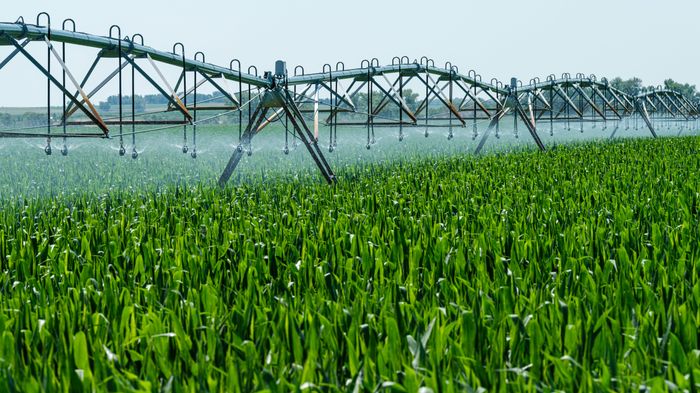
The real magic happened when we tested this treated water on crops. Our studies, published in journals like Water Science & Technology and Water, showed that this bioremediated water could successfully irrigate crops like tomatoes, rice, and clover without the phytotoxicity (plant poisoning) seen with raw wastewater. This transforms the sanitation chain from a linear problem into a circular solution.
This “climate-smart” approach to sanitation addresses multiple issues at once:
- It conserves freshwater, relieving pressure on our most precious resource.
- It safely reclaims water and nutrients, providing a reliable alternative for agriculture.
- It reduces pollution, preventing untreated wastewater from contaminating rivers and groundwater.
This is not about promoting untreated wastewater use, which is dangerous. It is about innovating accessible, biological treatment methods that make reuse safe and practical, turning a sanitation challenge into an agricultural opportunity.
Conclusion: A Call for Collaborative Action
On this World Toilet Day, the message is clear: our sanitation systems must evolve. We need to move beyond just treatment and towards resource recovery. This requires collaboration between microbiologists, engineers, policymakers, and farmers to develop and implement these nature-based, circular solutions.
The technology and will exist. By rethinking waste as a resource, we can build sanitation systems that are sustainable and are vital allies in our fight for food and water security in a changing world. The future of sanitation is circular, and it is a future we can all help grow.