Sanitation in a Changing World: Reflections from the Floating Villages of Tonlé Sap
Published on Nov 6, 2025
by Mei-Yee Chan, Co-Chair of the IWA Non-Sewered Sanitation Specialist Group
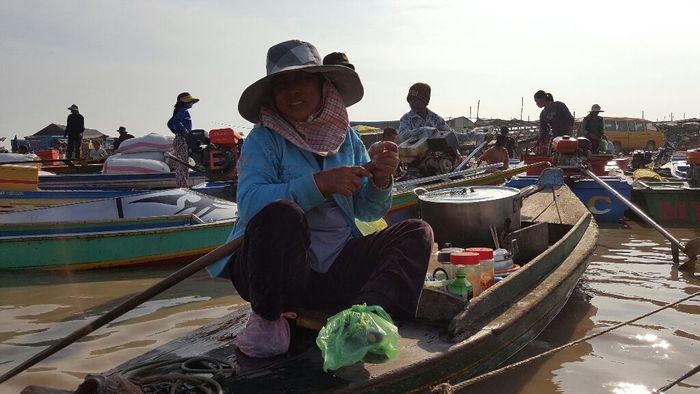
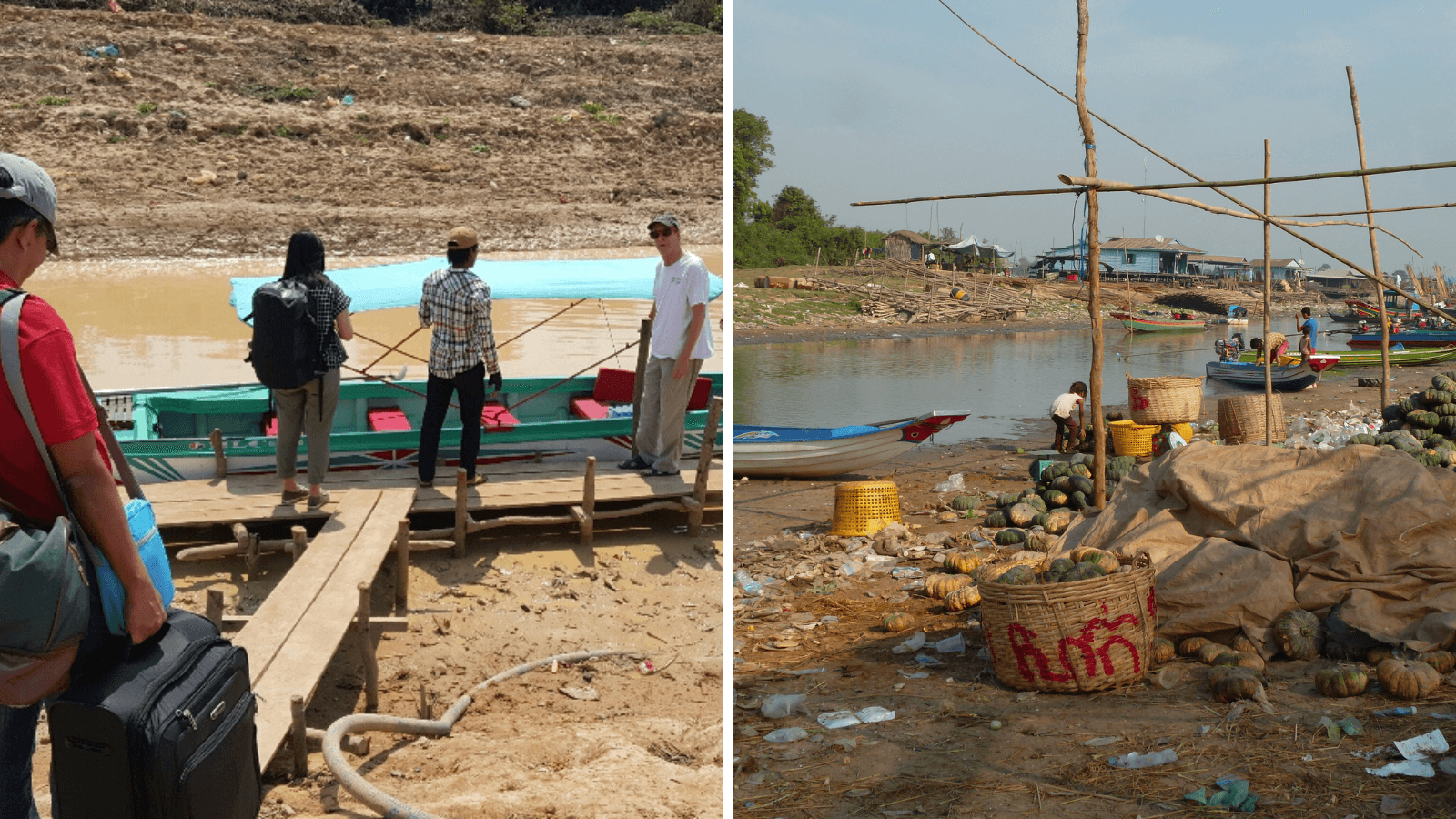
As I glided across the muddy waters of Tonlé Sap Lake in Cambodia, I felt like I was entering a different world. Here, everything floats — homes, schools, markets, even toilets. The lake swells with life during the monsoon and retreats into stillness during the dry season, leaving boats stranded in mud and the air heavy with the smell of decay. It is both a lifeline and a trap, depending on the time of year.
This ever-changing lake — its rhythms, its challenges, its resilience — is the perfect backdrop for this year’s World Toilet Day theme: Sanitation in a changing world.
The daily rhythm of life on water
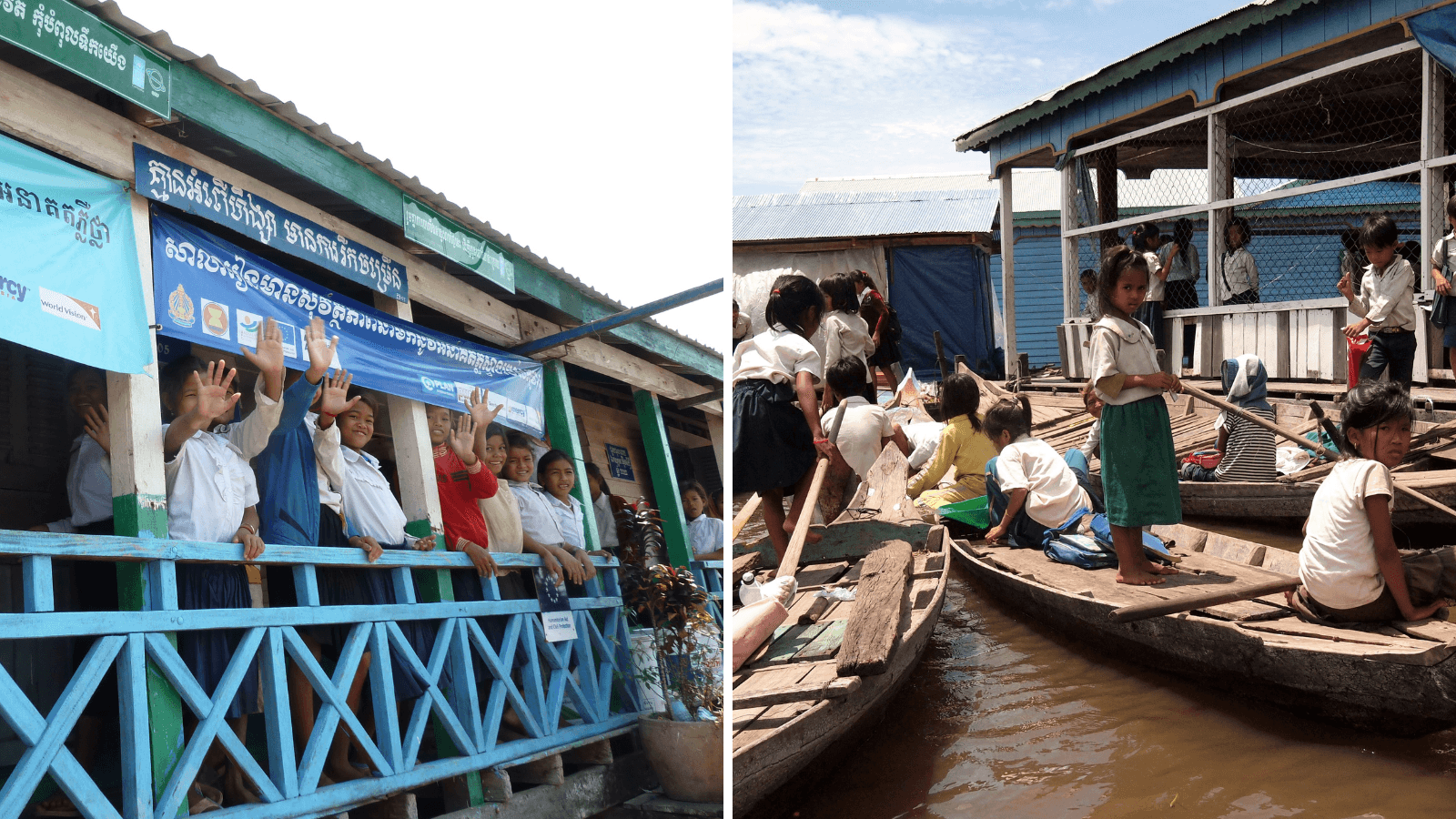
For families here, the lake is not just beside them — it is their life. Children paddle to school, women wash clothes by the steps, and meals are prepared with lake water. Yet this intimacy comes at a cost. Most homes still rely on simple drop-hole latrines built directly above the water. During the dry season, when water levels drop, the contamination becomes visible — and unbearable. Pathogen levels soar, threatening both health and livelihoods.
Schoolgirls face another burden: without private toilets or proper disposal facilities, many skip school during menstruation. Something so natural becomes a monthly obstacle to learning and dignity.
The seasonal squeeze and environmental pressures
Tonlé Sap changes dramatically with the seasons. When the lake recedes, access to clean water becomes scarce and expensive, as it must be bought from the mainland. Boats sit marooned, homes tilt unevenly, and the shallow waters turn stagnant.
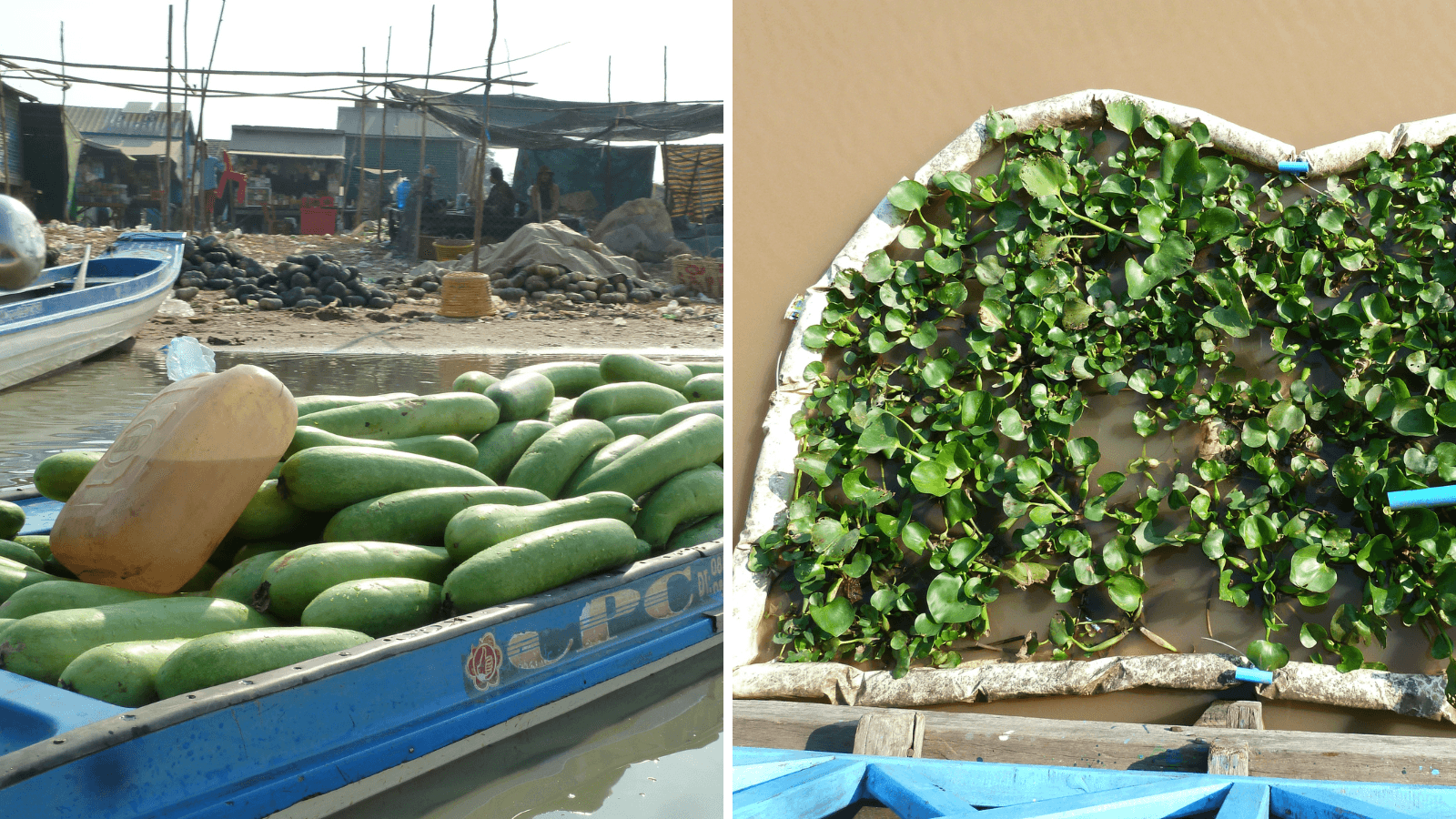
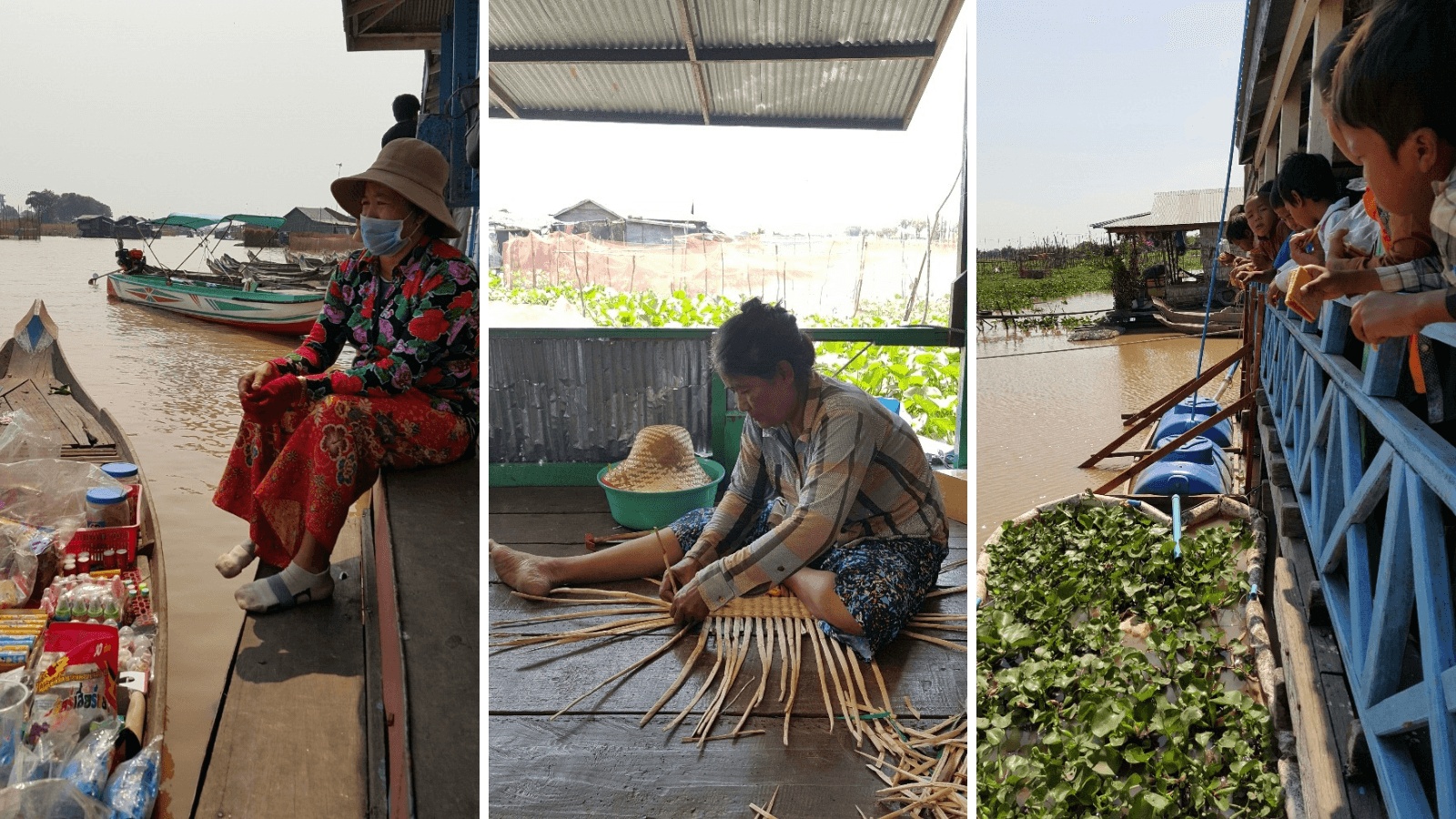
Adding to the challenge is the rampant spread of water hyacinth. Once seen as a nuisance that blocked waterways, locals have learned to weave it into baskets and mats, turning a problem into opportunity — and even using it to filter water in innovative sanitation systems.
Building hope that floats
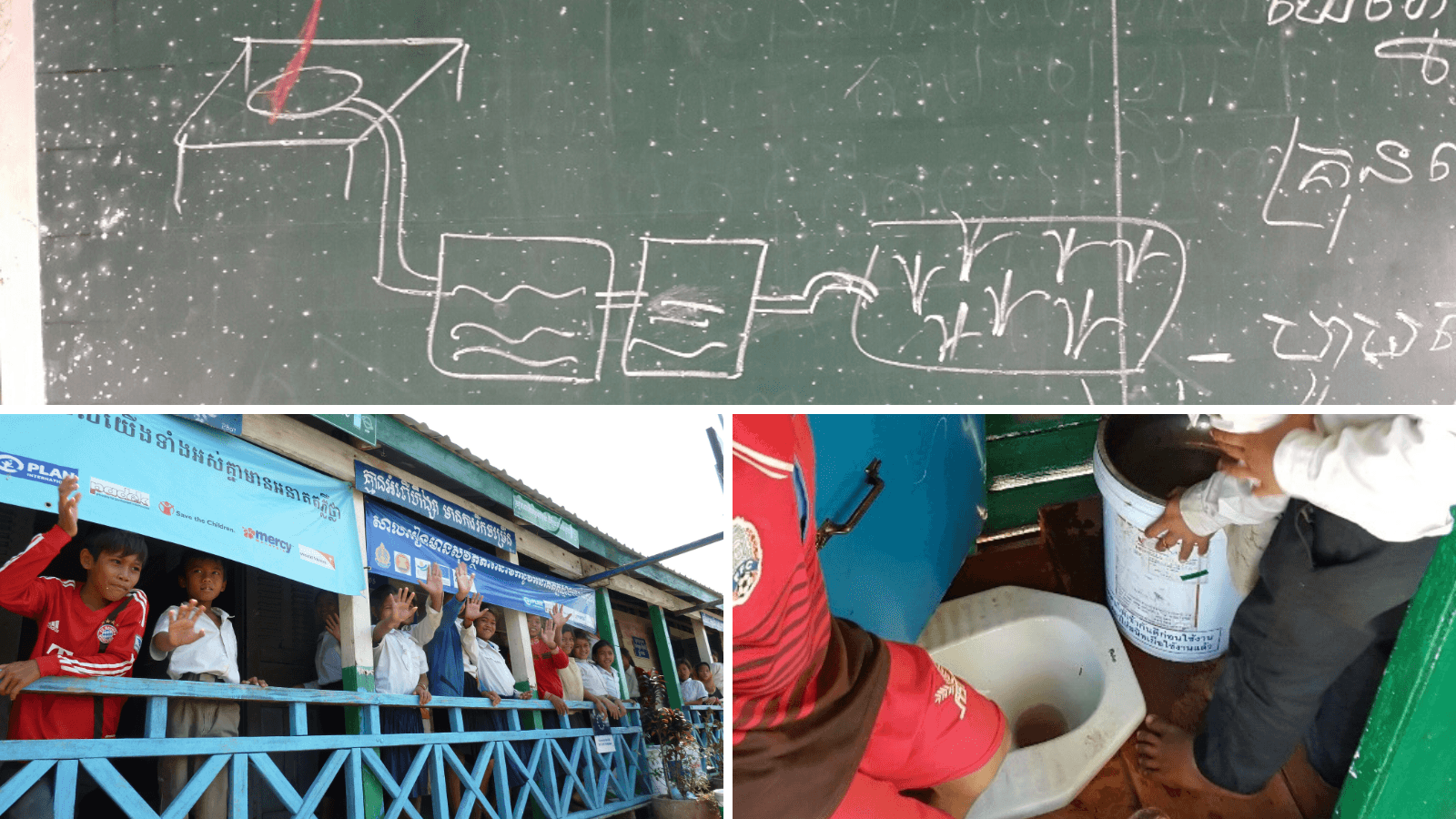
When I was with the World Toilet Organization in 2016, we collaborated with Wetlands Work! to bring sanitation solutions to these floating communities. The system — aptly named the HandyPod — was designed to treat wastewater right on the lake. Each floating unit used aquatic plants and beneficial bacteria to naturally digest waste before releasing treated water back into the lake.
It sounded simple, but in practice, it was fragile. The pods, made from lightweight and affordable materials, weathered quickly under the scorching sun and shifting waves. Some cracked or tilted; others sank. Maintaining the delicate “bio-layer” of bacteria inside was another constant challenge — too much water, and it drowned; too little, and it died.
We soon realised that technology alone was not enough. Every installation came with hands-on training, especially for students. I remember crouching beside a group of children, explaining how bacteria “eat” waste. Their eyes widened with curiosity — and disbelief — that something invisible could make their world cleaner.
Reflections from the water
Looking back, I realise Tonlé Sap is not alone. Across the world, floating communities in Brazil’s Amazon River and Nigeria’s Makoko face similar struggles — living at the mercy of tides, weather, and the growing uncertainty of climate change.
The floods come sooner. The droughts last longer. And the fragile balance that sustains these families is shifting.
The floating toilets were never just about sanitation. They were about dignity, education, and adaptation — small acts of hope that move with the water.
Because when the world changes, sanitation must change too.
And perhaps, in helping others find stability on the water, we learn a little about how to stay afloat ourselves.