Engineering Design and Operational Challenges: The Panama Canal Locks and Qingcaosha Reservoir
The webinar will highlight innovative approaches in hydraulic engineering and sustainable water infrastructure development for coastal and estuarine environments.
IWA Specialist Group - Sustainable Coastal and Estuarine Development
Starts
Sep 10, 2026
Language
EnglishDuration:90 minutes
Start Time:
13:00 GMT+1Format
OnlineMember fee(LMIC): 00.00
Member fee: 00.00
Standard fee: 00.00
Description
The webinar is organised by the Sustainable Coastal and Estuarine Development (SCED) Specialist Group.
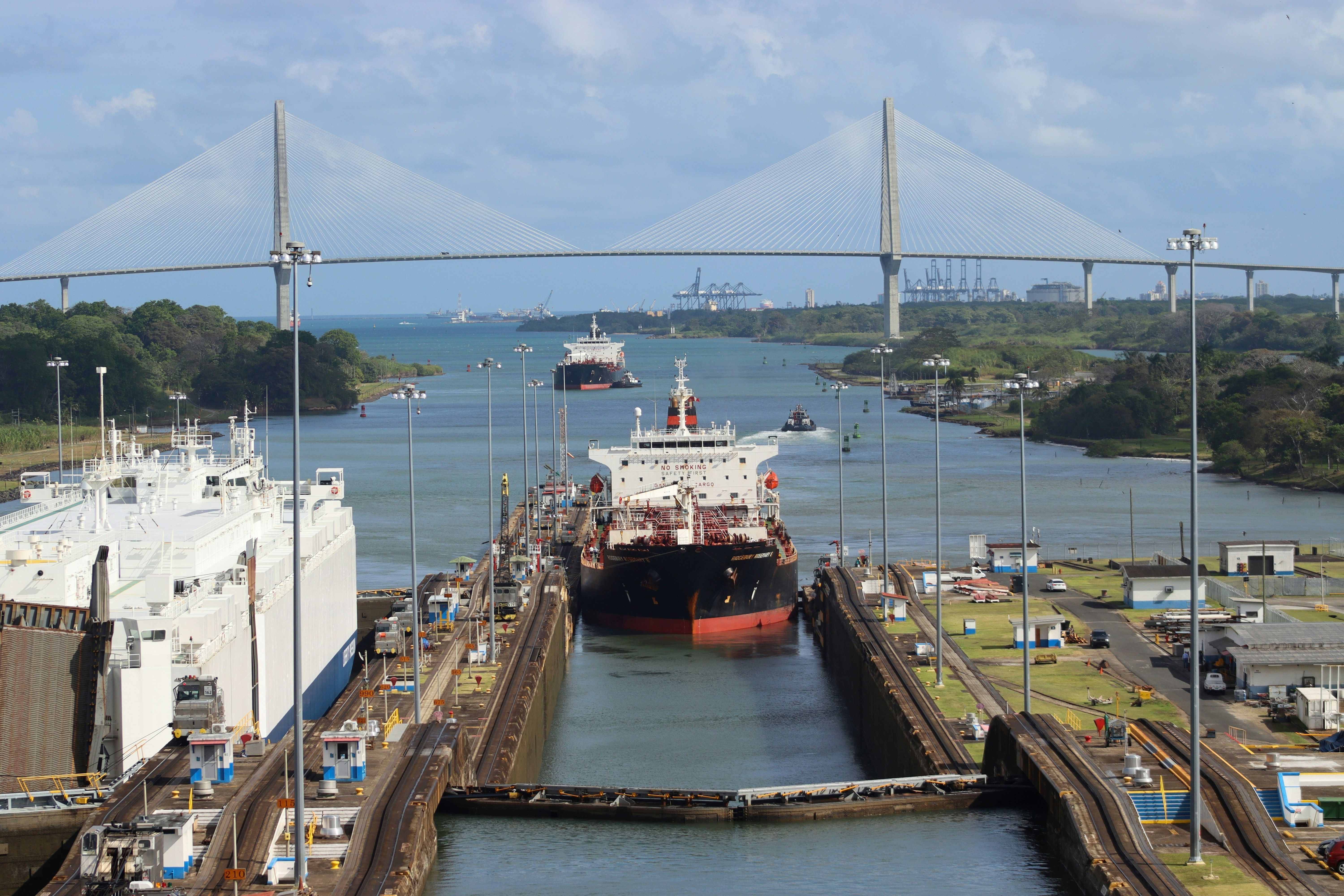
Large-scale water infrastructure projects require innovative engineering solutions to address complex hydraulic, environmental, and operational challenges. This webinar presents two significant case studies: the new Panama Canal locks and the Qingcaosha Reservoir in Shanghai. The expansion of the Panama Canal introduced two new lock complexes on the Atlantic and Pacific sides, incorporating a three-step lock system with water-saving basins that reduce water consumption by approximately 60% during each lockage operation. The talk will discuss the integrated design approach for the filling and emptying system, including the application of 0D, 1D, 2D numerical models, computational fluid dynamics (CFD), and physical modelling to optimise vessel throughput, filling and emptying times, flow conditions, surface slopes, and energy losses.
The second case study focuses on sustainable freshwater resource development in the Yangtze Estuary to address Shanghai’s increasing water demand and challenges caused by saltwater intrusion. The webinar will explore the hydrodynamic complexities of estuarine systems, including tides, storm surges, freshwater–saltwater interactions, and fluvial processes, as well as the key design concepts and research requirements involved in the development of the Qingcaosha Reservoir. Together, these case studies highlight innovative approaches in hydraulic engineering and sustainable water infrastructure development for coastal and estuarine environments.
Target Audience
Practitioners, Researchers, Utilities, Students, Engineers, Policymakers
Learning Objectives
Following the session, participants were able to:
- Understand how the conducted process of the hydraulic design process of the new Panama Canal locks, and the subsequent problems that appear.
- Understanding why Shanghai builds reservoirs and earning key design concepts and research requirements for reservoir construction.
Learning Format
Webinar Outcomes
- The importance of the combination of different type of models in the design process of Panama Canal locks and how unexpected problems can arise in the afterwards, possible remediation to these problems.
- Development and utilisation of freshwater resources in the Yangtze Estuar and Development of Shanghai coastal reservoirs with Key design concepts of Qingcaosha reservoir.
Speakers/Panelist Details
- Dr. Lucas E. Calvo Gobbetti,Centro de Investigaciones Hidráulicas e Hidrotécnicas/ Universidad Tecnológica de Panamá/Senior Researcher (https://www.linkedin.com/in/lucas-enrique-calvo-gobbetti-280a331b5/)
- Prof JIANZHONG YUAN, Professorate senior engineer,former chief engineer of Shanghai Branch, Jiangsu Taihu Water Conservancy Planning, Design & Research Institute Co., Ltd (TAIHU DESIGN) and deputy director of Planning Department, Shanghai Investigation Design & Research Institute Co. Ltd (SIDRI)
Related IWA Specialist Groups
Sustainable Coastal and Estuarine Development
The main aim of the Sustainable Coastal and Estuarine Development specialist group is to advance the application of coastal reservoirs and tidal basins technologies to the world at large, where water and energy security can be significantly enhanced while sustainability of the coastal and estuarine ecosystem is taking into account. The objectives are:
- Promotion of coastal reservoir and tidal basin technologies for water and energy security, and urban and agricultural development across the world’s coastal regions
- Develop sustainable technologies for coastal end estuarine restoration.
- Development of manuals of design and operation practice of coastal reservoirs and tidal lagoons
- Research and disseminate information on the environmental and ecological aspects of coastal impoundments
- Conduct regular conferences and webinars and advocate adoption of coastal reservoirs and sustainable estuarine restoration
- Develop and edit a new IWA Journal on “Sustainable Coastal and Estuarine Development”