2026 Winners of ISME/IWA BioCluster Awards announced
Published on Jul 22, 2026
In order to recognise the importance and impact of interdisciplinary research at the interface of microbial ecology, water & wastewater treatment and engineering sciences, the IWA/ISME BioCluster created the ISME/IWA BioCluster Award. The award is a collaboration between the International Society for Microbial Ecology (ISME) and the International Water Association (IWA). The prestigious prizes reward internationally-recognized research of unusual merit in this field. This award is presented every two years. There are two award categories:
- the Grand Prize
- the Rising Star Award
2026 Winners
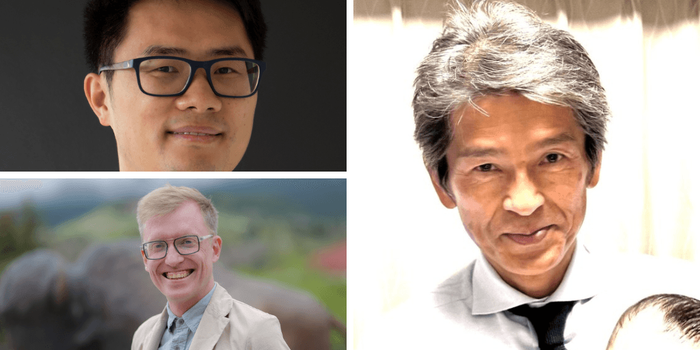
The Grand Prize has been awarded to Professor Satoshi Okabe, Division of Environmental Engineering at Hokkaido University, Japan.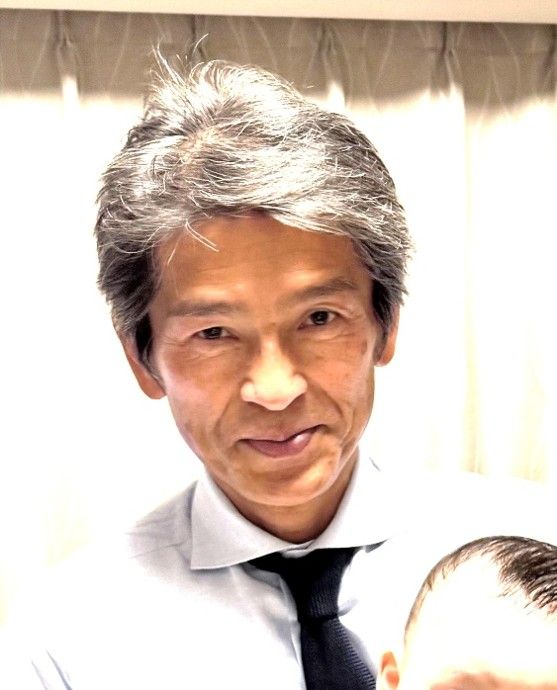
Professor Satoshi Okabe is a Professor in the Division of Environmental Engineering at Hokkaido University, Japan. He received his B.S. and M.S. degrees in Civil Engineering from the University of Miyazaki, Japan and earned his Ph.D. in Civil Engineering from Montana State University, USA. His research focuses on elucidating the structure and function of complex microbial ecosystems and applying this knowledge to advance wastewater engineering. He combined classical cultivation with advanced micro-sensing and molecular ecological tools such as FISH, MAR‑FISH, RNA‑SIP, and multi‑omics, enabling the development of a multi‑scale, in situ analytical framework that links molecular‑level, single‑cell, and community‑level information.
Professor Okabe has also played significant leadership roles in both the IWA and ISME. He served on the management committees of the IWA Biofilm Specialist Group and the IWA MEWE Specialist Group and was elected an IWA Fellow in 2016. Within ISME, he served as an International Board Member and as Senior Editor of The ISME Journal. In recognition of his scientific achievements and service, he received the Ardern–Lockett Award from the IWA MEWE Specialist Group in 2023.
The Rising Star Prize has been awarded to two professionals:
- Min Zheng, Scientia Associate Professor, University of New South Wales (UNSW), Australia
- Cresten Mansfeldt, Assistant Professor, University of Colorado Boulder, USA
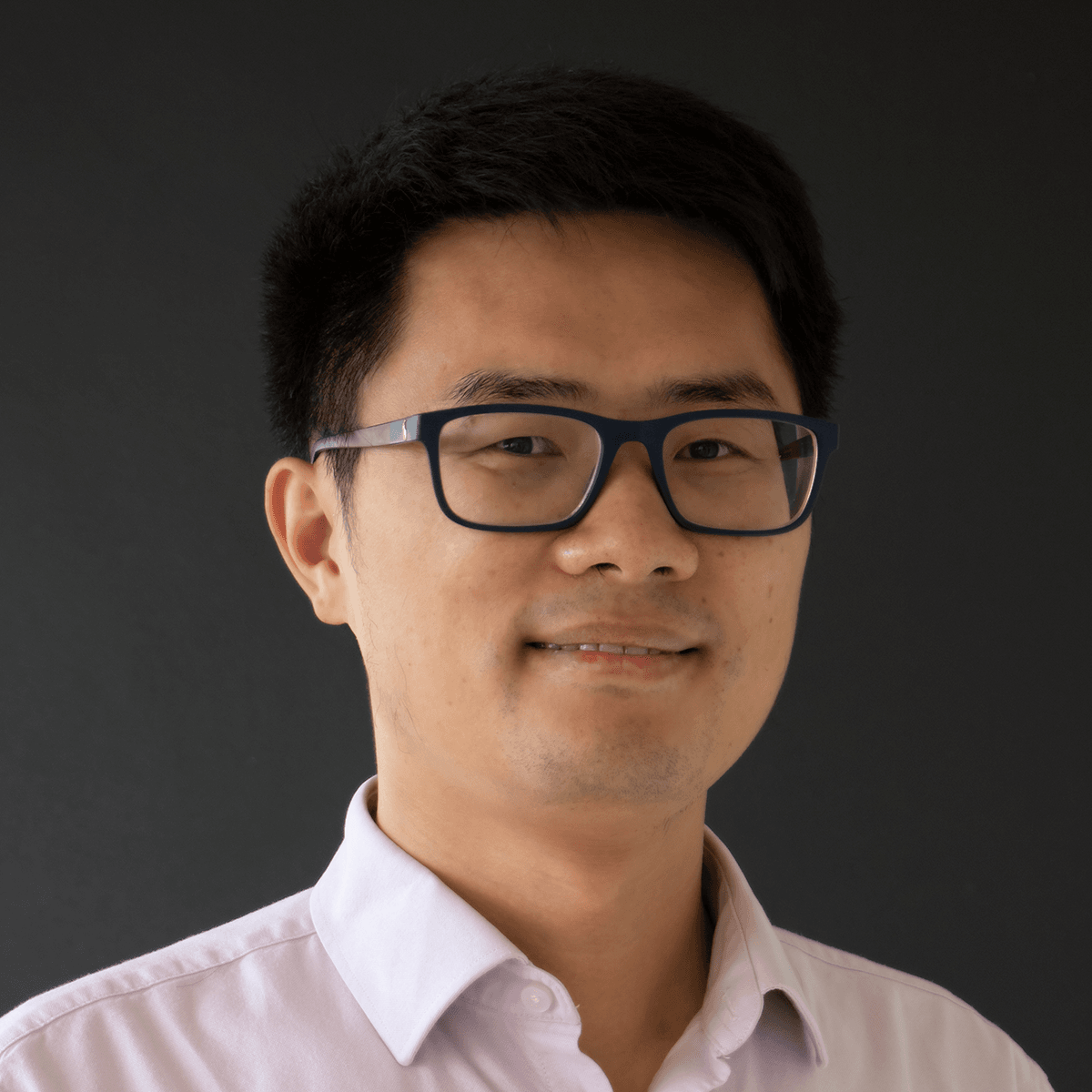
Min Zheng is a Scientia Associate Professor at the University of New South Wales (UNSW), Australia, and an Australian Research Council Early Career Industry Fellow. His research bridges microbial ecology and environmental biotechnology to develop sustainable solutions for water and wastewater treatment.
His most notable contribution is the discovery and characterisation of Candidatus Nitrosoglobus kelleri, a highly acid-tolerant ammonia-oxidising microorganism that redefined the known pH limits of nitrification and opened new pathways for energy-efficient biological nitrogen removal. By integrating microbial ecology, process engineering, and pilot-scale validation, his work has established the scientific foundation for acidic partial nitritation–anammox systems and other low-energy nitrogen removal technologies. These innovations have been validated through long-term pilot and demonstration projects and are being translated into practice through collaborations with major water utilities in Australia and internationally.
Dr Zheng has published more than 160 peer-reviewed papers, including 70+ times in Nature Sustainability, Nature Water, The ISME Journal, Water Research, and Environmental Science & Technology, accumulating over 6,700 citations. He currently serves as Editor of Water Research and is a member of the Editorial Advisory Board of Environmental Science & Technology. His research has received international recognition, including the James J. Morgan Early Career Award Honourable Mention (ACS) and the 40 Under 40 Rising Stars in Environmental Engineering and Science Award (AAEES). Through his work, he seeks to transform wastewater treatment into a low-emission, resource-recovering, and energy-positive system.
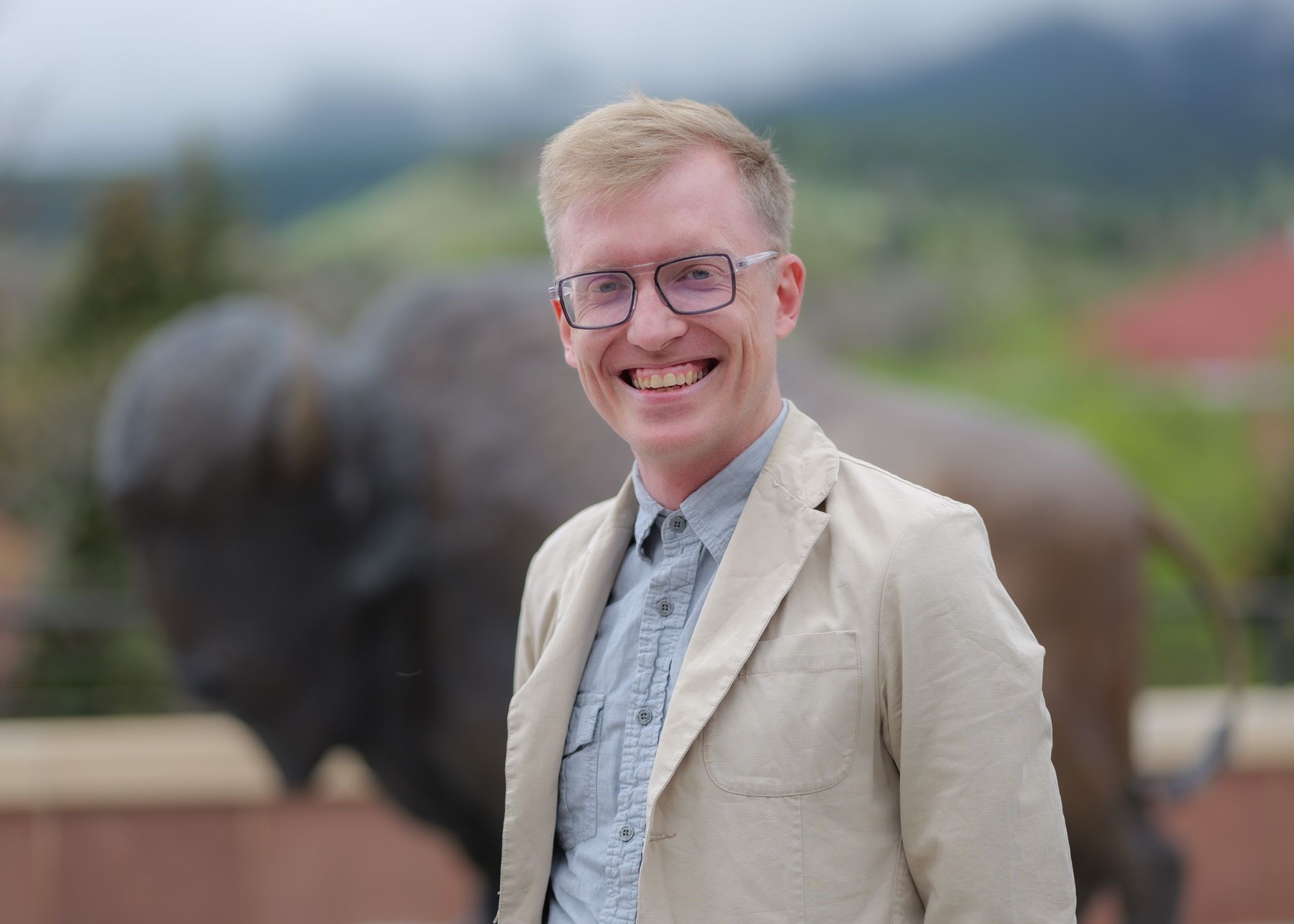
Cresten Mansfeldt is an Assistant Professor in the Civil, Environmental, and Architectural Engineering Department, the Environmental Engineering Program, and an Affiliate Faculty of BioFrontiers at the University of Colorado Boulder, where he leads the Creative Microbial BioMaintenance for Greener Environments and Municipalities (CMBM-GEM) laboratory. His research focuses on incorporating biological processes into the resiliency of the built environment, operating at the intersection of environmental microbiology and environmental chemistry.
His laboratory has developed foundational contributions across three areas: managing pathogens and novel contaminants in urban water systems, characterizing disaster-related chemical contamination from wildland-urban interface wildfires, and pioneering risk assessment frameworks for synthetic biology and emerging bioproducts. This work has been recognized through a 2026 NSF CAREER Award for his project mON-SHOT, which investigates the environmental fate and transport of modified oligonucleotides, an emerging bioproduct transforming pharmaceuticals and agriculture.
Prof. Mansfeldt led one of the most comprehensive campus-scale SARS-CoV-2 wastewater surveillance networks in the United States during the pandemic, generating same-day public health data across 23 sites. He subsequently developed EcoGenoRisk, a computational framework for predicting ecological risks posed by synthetic organisms, and is leading CU Hearth, a congressionally funded wildfire debris testing laboratory. He has graduated two PhD students and mentors seven current doctoral researchers across these research frontiers.
Ultimately, Prof. Mansfeldt's work reflects an optimism that the same microbial world that challenges our built environment holds the tools to protect it, and that training environmental engineers to occupy that biological niche more fully is the most durable investment we can make in a resilient future.
Further information
The Awards will be presented at:
The 2026 IWA World Water Congress & Exhibition, to be held in Glasgow, Scotland, October 2026.
The review committee is composed of the following members: Phil Hugenholtz , Kelly Wrighton , Glein Daigger, Micky Wagner, Per Halkjær Nielsen, Cindy Smith.
Interested in finding out more about the IWA Biocluster and connecting with the professionals associated with it? Please visit IWA Clusters.