7th IWA Water Safety Conference highlights global commitment to resilient water systems
Published on Apr 28, 2026
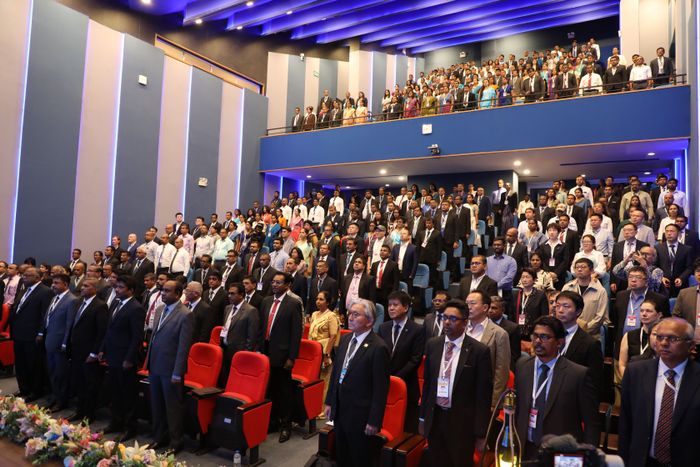
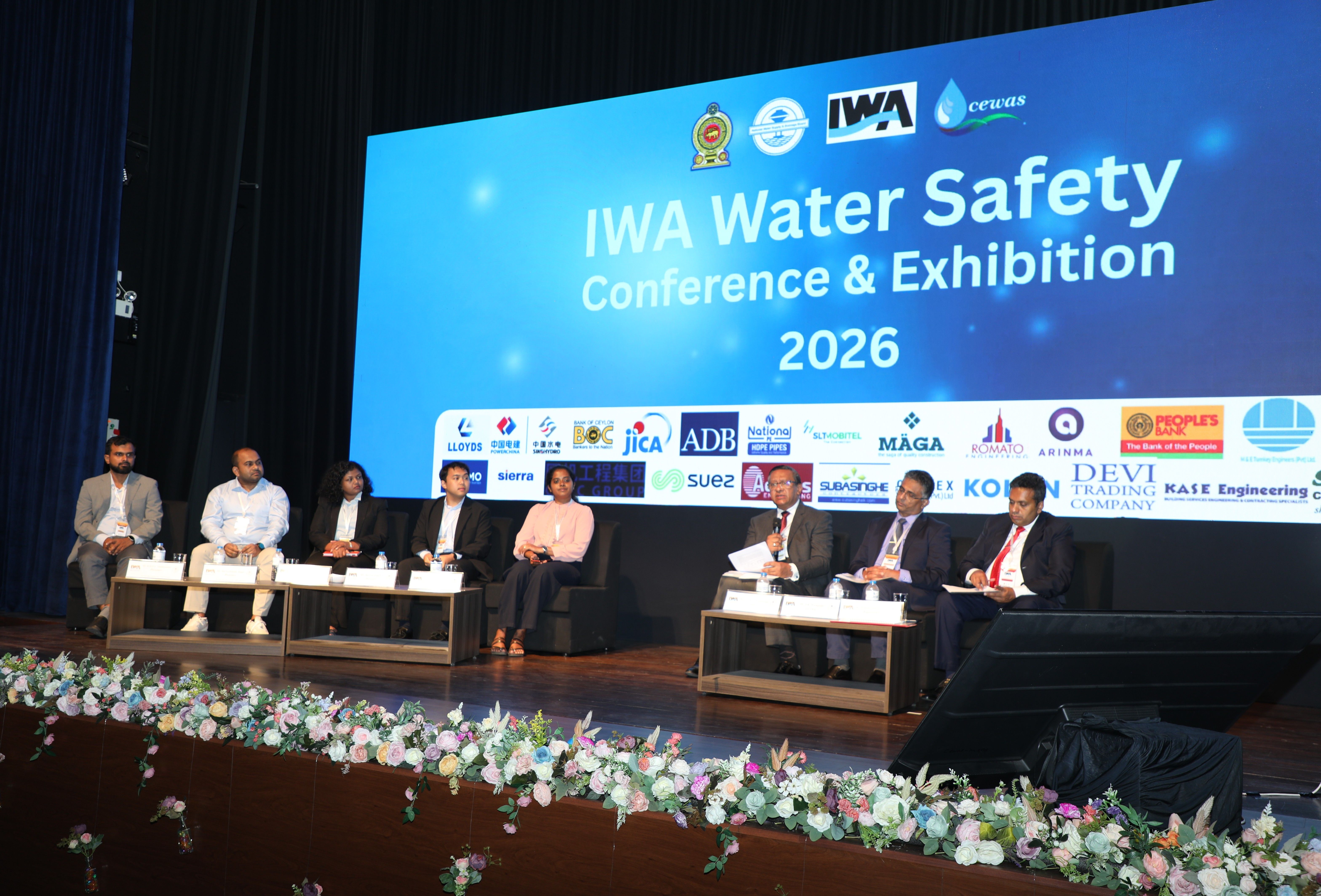
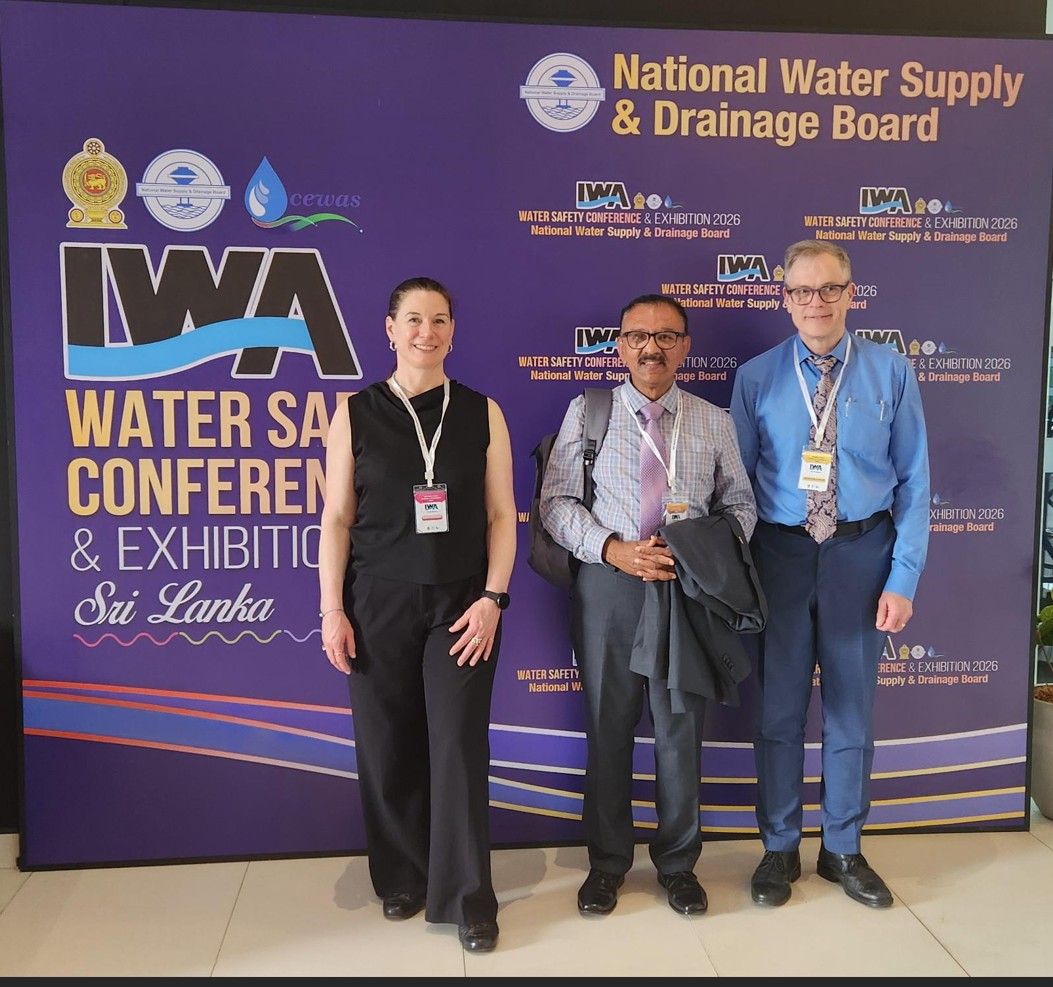
The 7th International Water Association (IWA) Water Safety Conference, held from 23 to 25 March 2026 in Colombo, Sri Lanka, brought together a diverse global community of water professionals to advance dialogue and action on water safety and resilience. Organised by the National Water Supply and Drainage Board (NWSDB), the conference welcomed delegates from over 20 countries, including utilities, researchers, policymakers, international organisations, and Young Water Professionals.
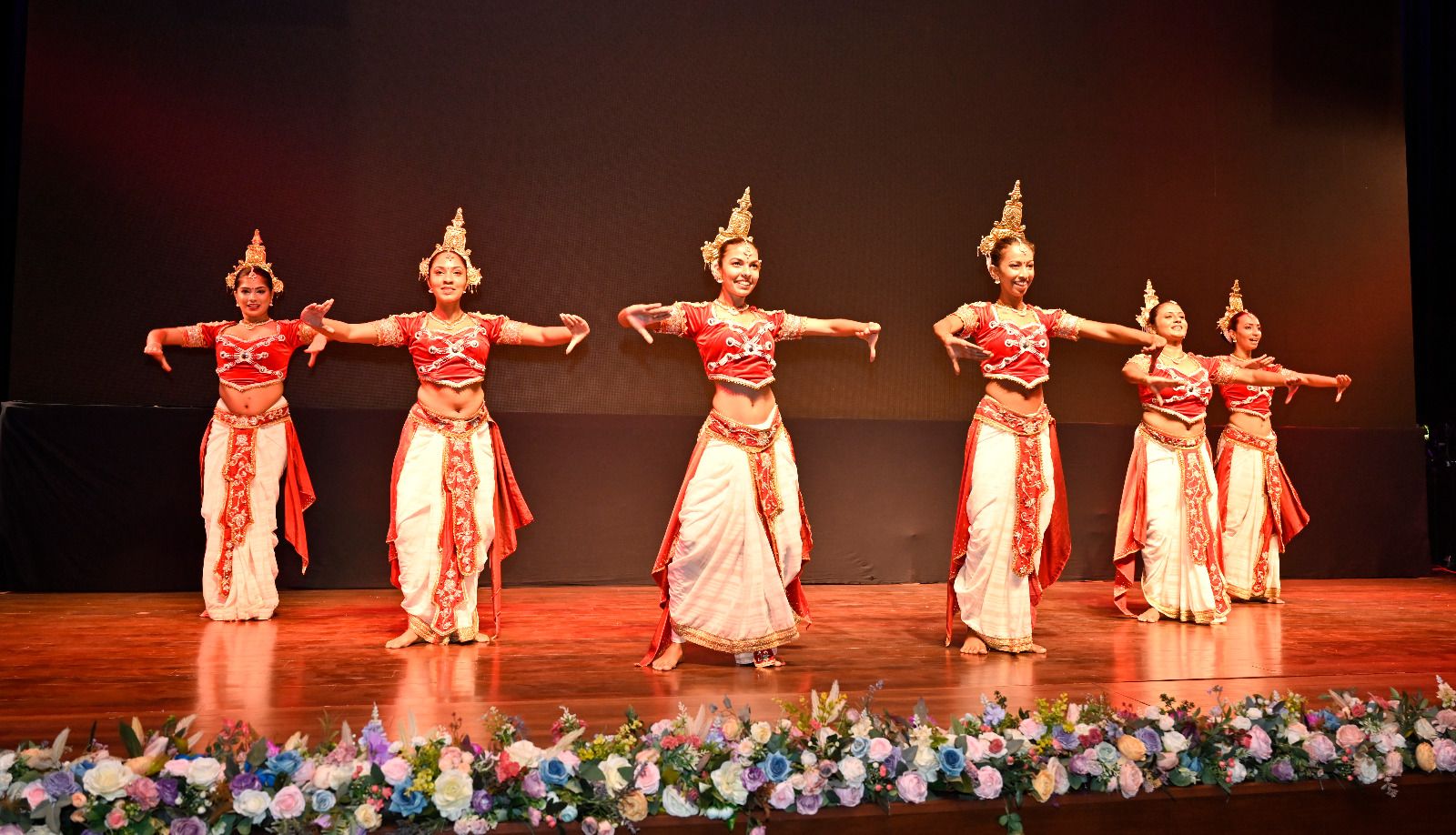
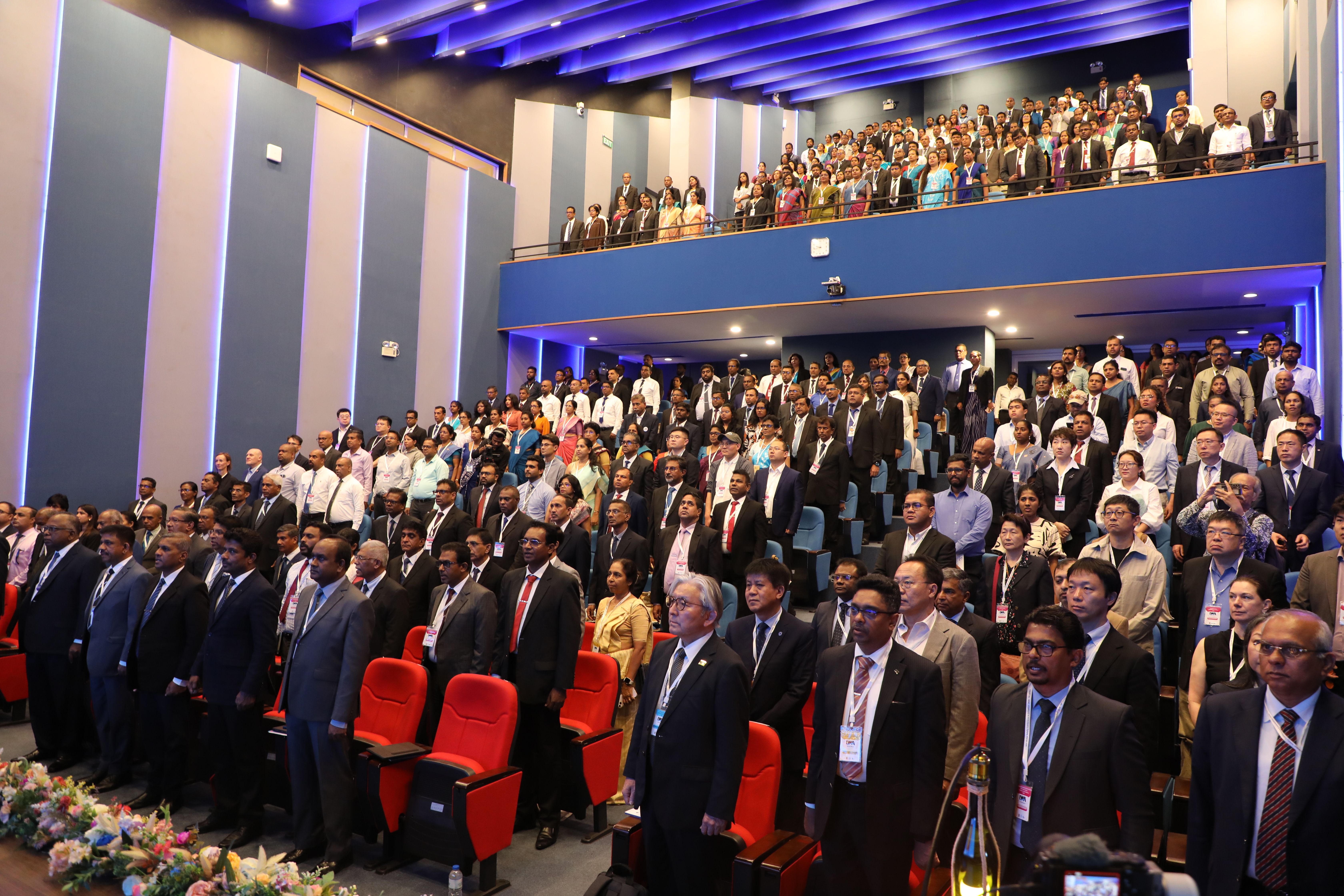
Despite ongoing global travel challenges and the recent impact of a severe cyclone in Sri Lanka in late 2025, the conference achieved strong participation, with approximately 590 delegates attending on the first day and 500 on the second. The event stood out for its scale as well for its seamless organisation and rich cultural integration, including traditional Sri Lankan performances and a memorable gala dinner.
Strong Government and Institutional Engagement
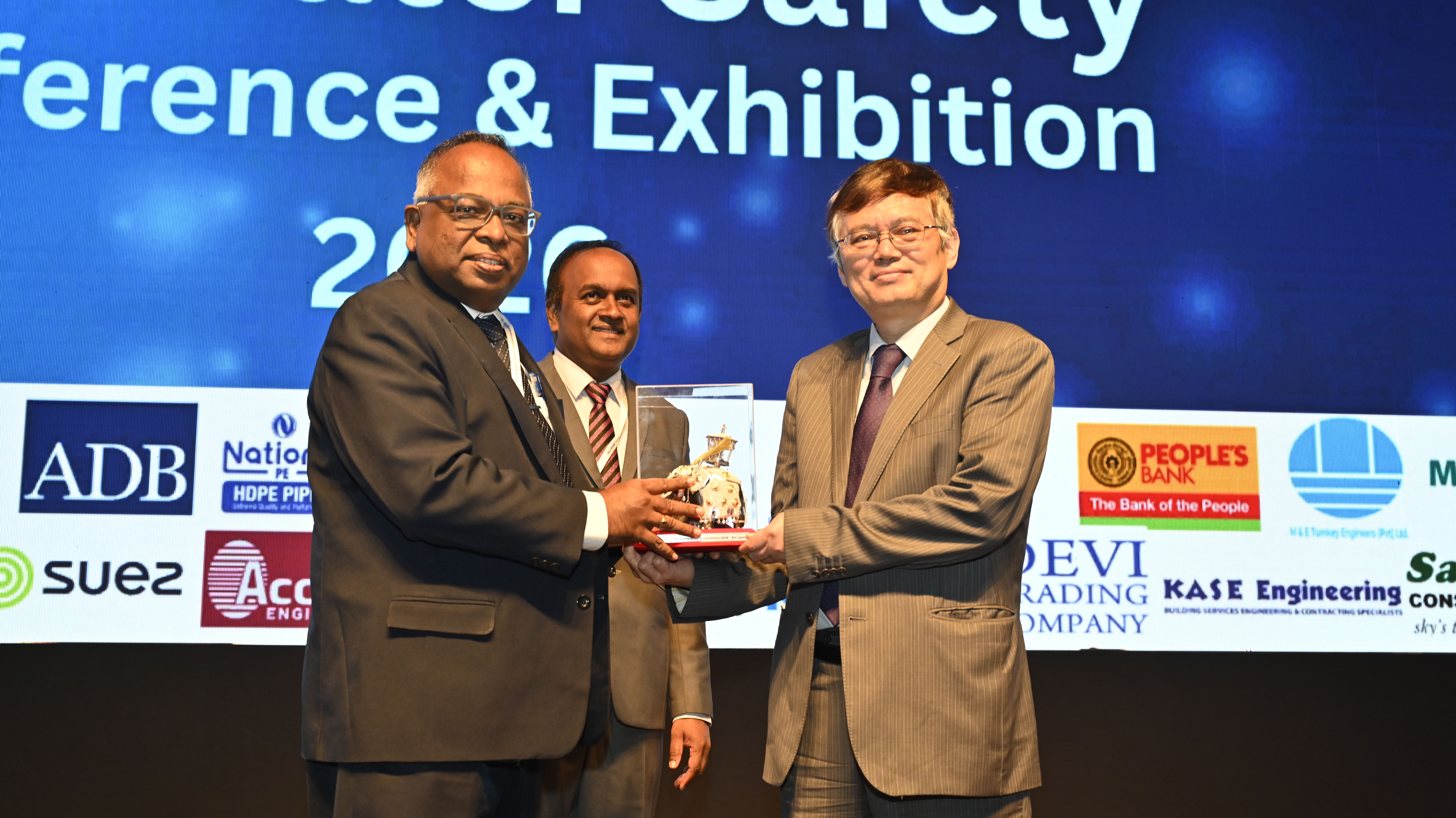
The conference underscored Sri Lanka’s commitment to water safety at the highest political level. Key representatives included Hon. Minister Dr. H. M. Susil Ranasingha and Ministry Secretary Er. Kumudu Lal Bogahawatta, alongside NWSDB leadership such as Chairman Er. Chandana Bandara and General Manager Er. T. Bharathidasan. Their participation reflected a clear national priority to institutionalise Water Safety Planning (WSP) as a core approach to water management.
A notable takeaway from the event was the widespread recognition of Water Safety Plans as a business-as-usual practice, referenced consistently across ministerial speeches, keynote sessions, and technical discussions.
Keynote Insights: From Concept to Practice
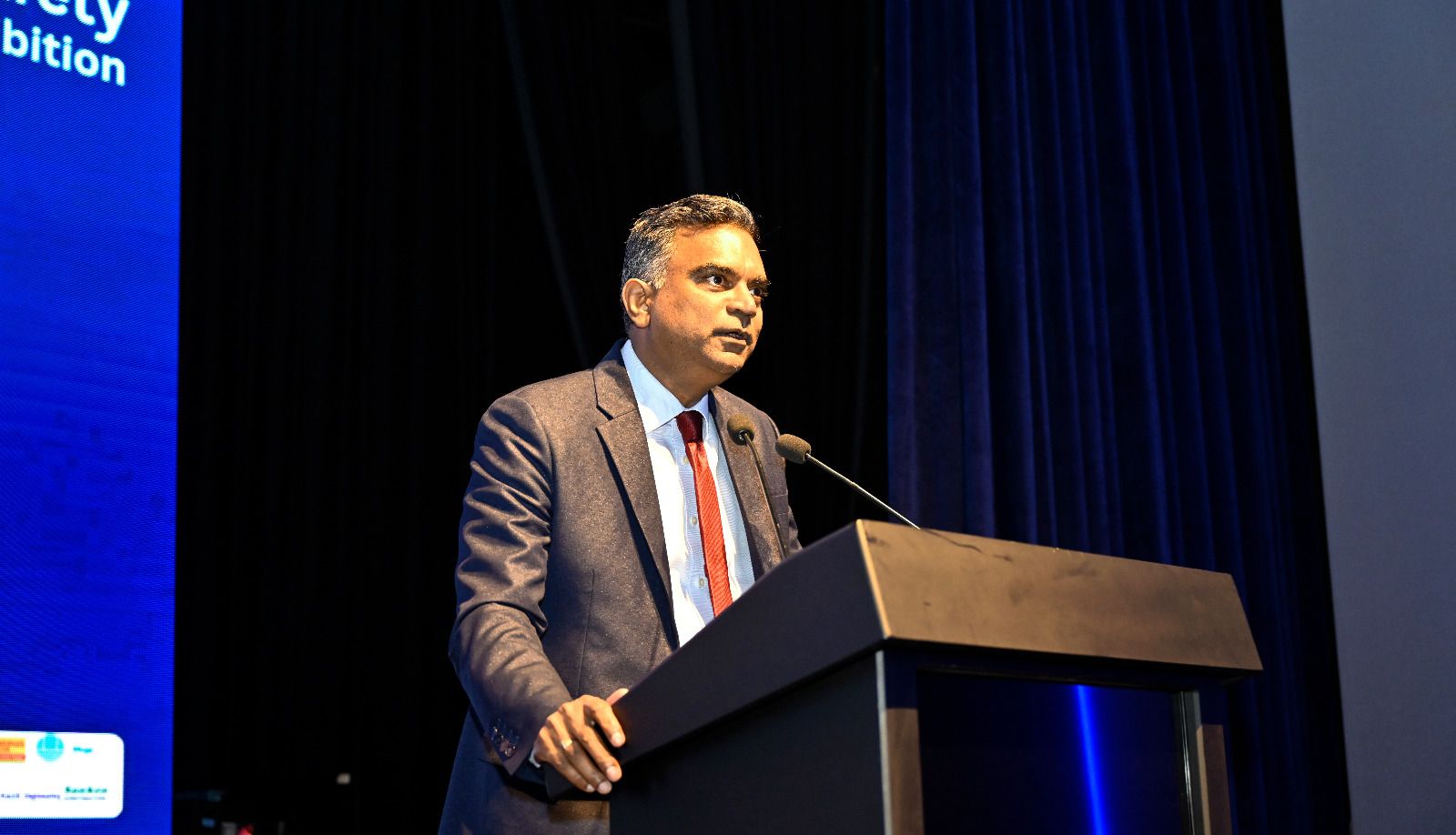
In his opening keynote, ‘Rethinking Water: Building Safe, Circular and Resilient Systems’, Kala Vairavamoorthy, Executive Director of the International Water Association, emphasised the need to move beyond compliance-based approaches. He called for Water Safety Planning to be embedded as a holistic mindset, focused on understanding systems end-to-end, anticipating risks, and managing them proactively across the water cycle.
His address highlighted growing pressures on water systems, including climate change, urbanisation, ageing infrastructure, and the need for circularity and reuse. He advocated for adaptive, practical strategies such as diversified water portfolios, integrated planning, hybrid grey–green infrastructure, and proactive asset management.
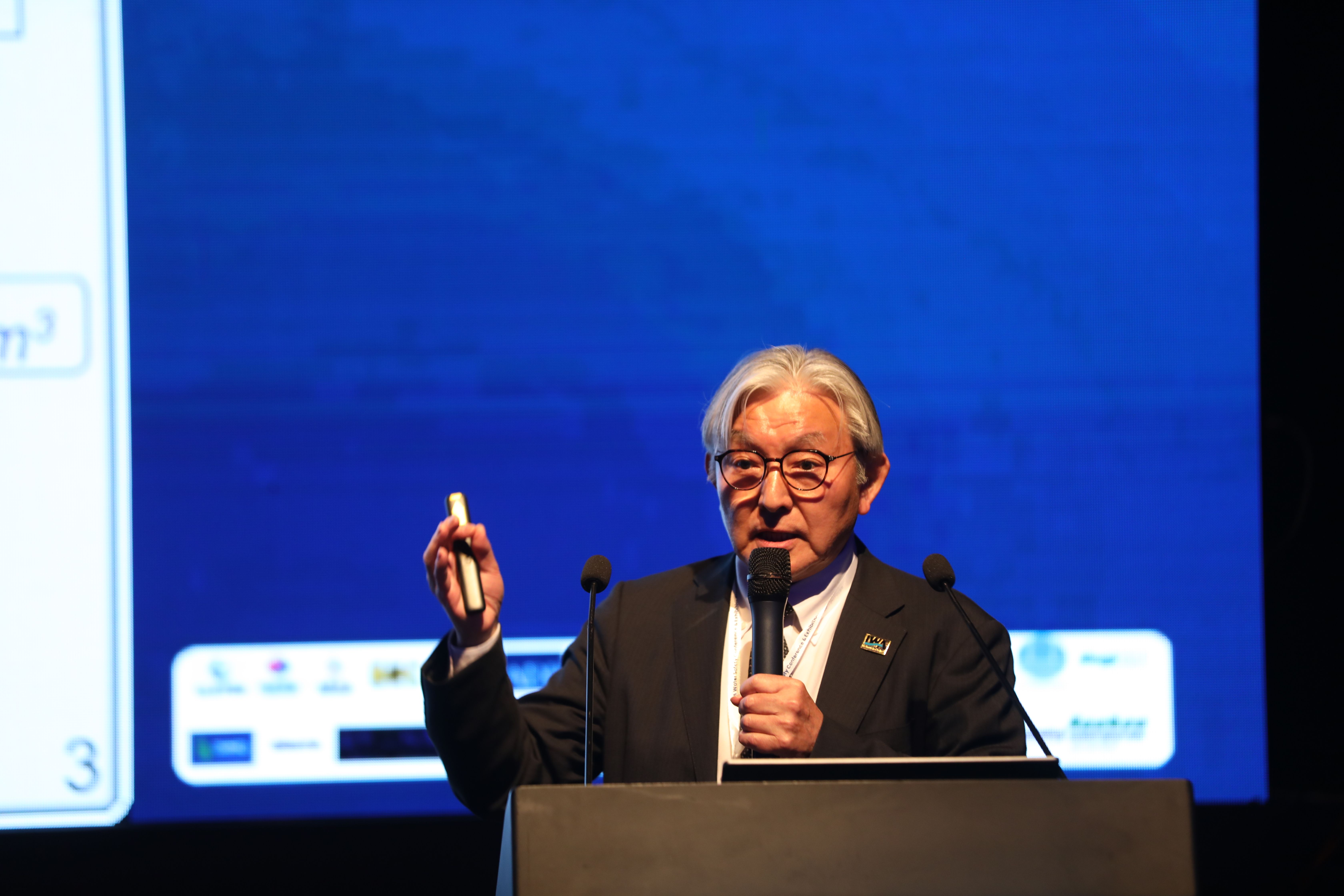
The second keynote, delivered by Hiroaki Furumai of the University of Tokyo and Chuo University, provided operational insights into implementing Water Safety Plans, drawing on Japan’s experience.
A third keynote from Min Yang of the Chinese Academy of Sciences showcased advancements in water treatment technologies, including robotics and online monitoring systems to enhance water quality management. Prof. Yang also highlighted the Joint Research and Demonstration Centre in Kandy as a milestone in addressing Chronic Kidney Disease of unknown aetiology in Sri Lanka.
Broad Technical Programme and Global Collaboration
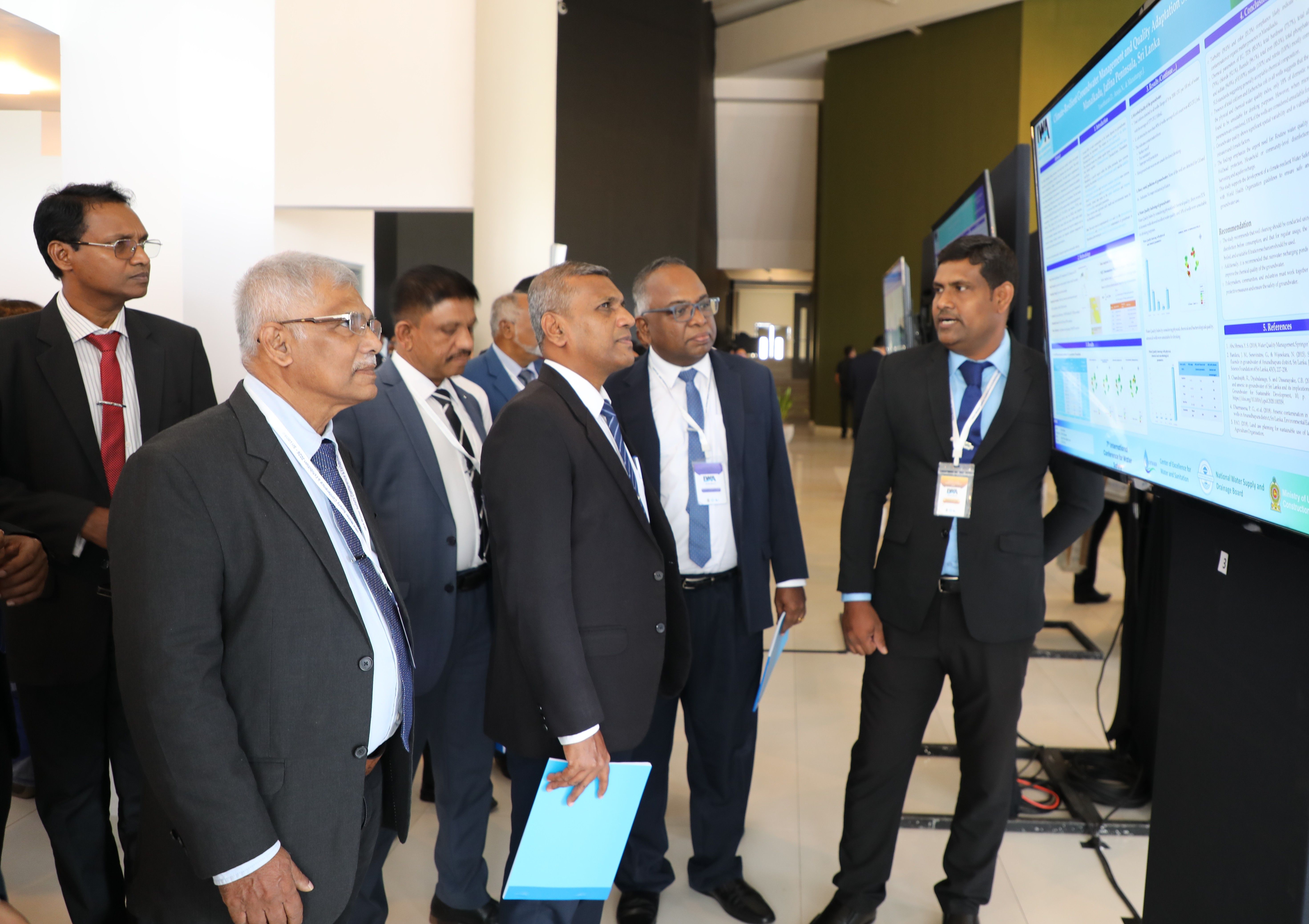
The conference featured a comprehensive technical programme, including 80 platform presentations, 40 poster sessions, 8 workshops, and multiple strategic forums. Contributions came from leading organisations such as the World Health Organization (WHO), International Water Management Institute (IWMI), UNICEF, WaterAid, ITN-BUET, and the German Environment Agency – Umweltbundesamt (UBA).
Dr. Rajesh Shambajirao Pandav, WHO Representative to Sri Lanka, emphasised the critical link between water safety and public health outcomes, reinforcing the importance of risk-based approaches.
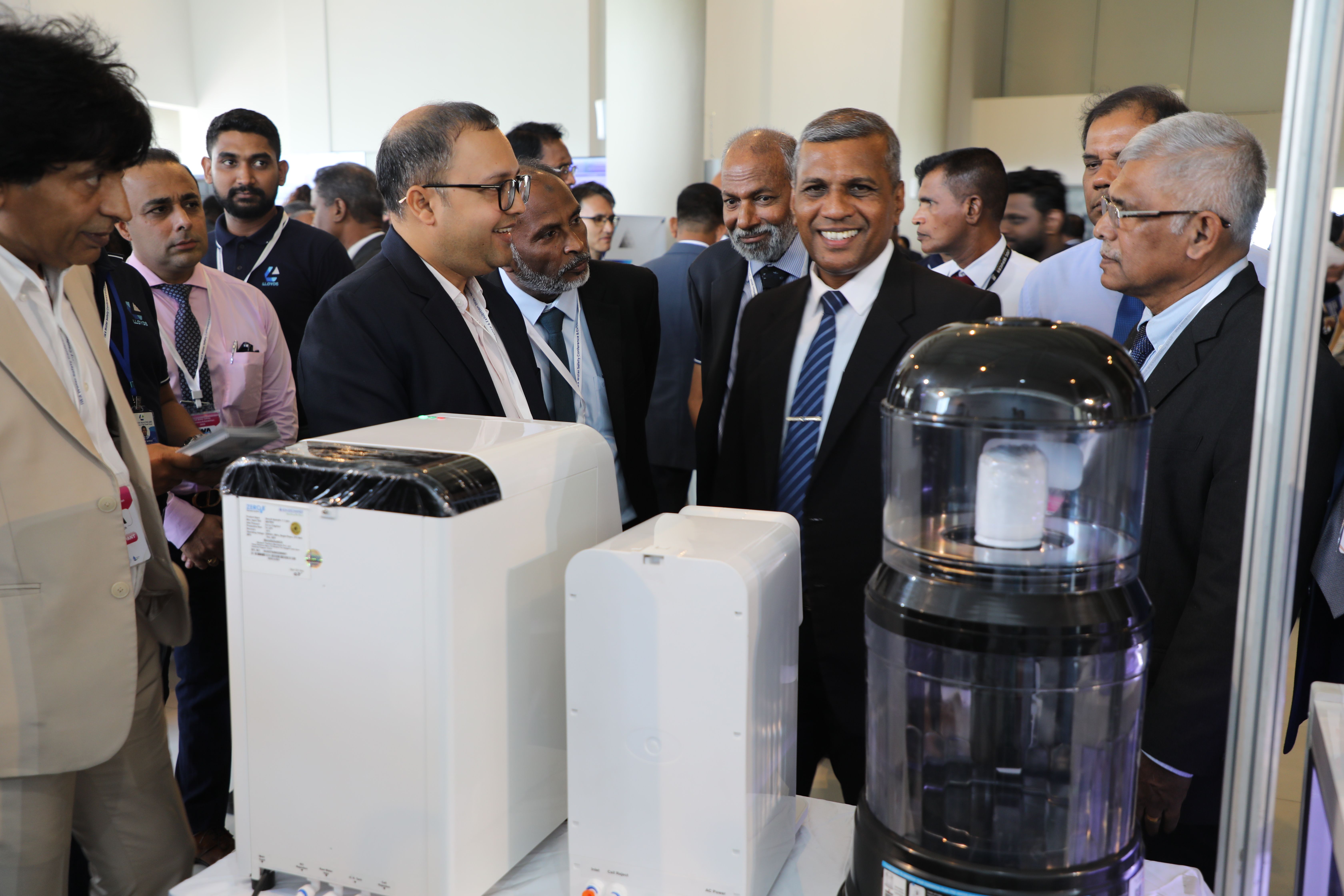
An exhibition featuring 26 sponsors and exhibitors complemented the technical sessions, providing a platform to showcase innovative technologies and solutions for water safety and supply systems.
Strengthening Global Water Safety Efforts
The conference reaffirmed Sri Lanka’s active role within the global IWA community, building on its successful hosting of the IWA Water and Development Congress & Exhibition in 2019. It also highlighted the strong engagement of Young Water Professionals and the importance of cross-sector collaboration.
Insights and outcomes from the conference will contribute to IWA’s global knowledge platforms, supporting utilities and practitioners worldwide in advancing Water Safety Planning and strengthening resilience.
IWA congratulates NWSDB, the Programme Committee, the IWA Water Safety Planning Specialist Group, and all speakers and participants for delivering a highly impactful event.