The Safe Drinking Water Blog Series
Access to safe drinking water remains a key concern in many developing countries, where infrastructure, pollution, and resource scarcity frequently impacts consistent water delivery. There have been numerous efforts to improve water safety by yet, there is the need for continuous awareness and collaboration to ensure that everyone has access to clean, safe drinking water. To support this programme, IWA initiated a blog series to raise awareness, strengthen connections across technical, regulatory, and governance communities, share proven and emerging solutions, and inspire action at multiple levels on one of the most pressing global public health challenges of our time.

Regulation
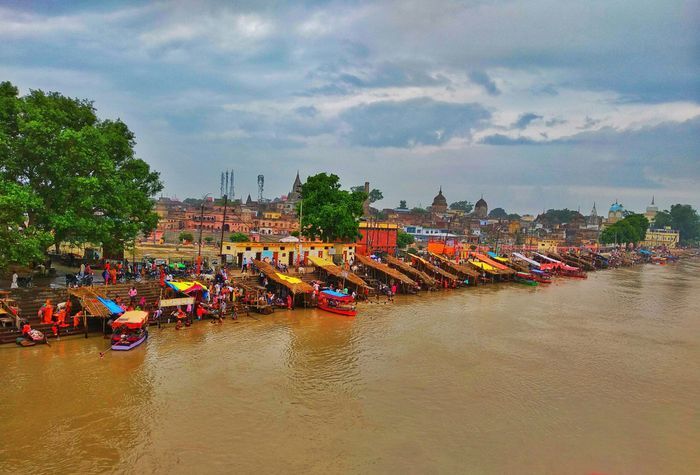
Not Just a Pipe Dream: Making Tap Water Safe in India
A few years ago, I had a chance to visit Berlin. I was surprised to see that the hotel provided just two small water bottles in the room for the entire day. When I asked the hotel for more water, they suggested that I could drink from the tap in the bathroom. I was shocked to hear their suggestion because, coming from India, tap water is at best used for bathing, but is never consumed directly. The reason behind this situation is primary distrust in the quality of water supplied by the government or utility providers.
Regulation
The Invisible Shield: How Regulation Protects the Safety of Our Water
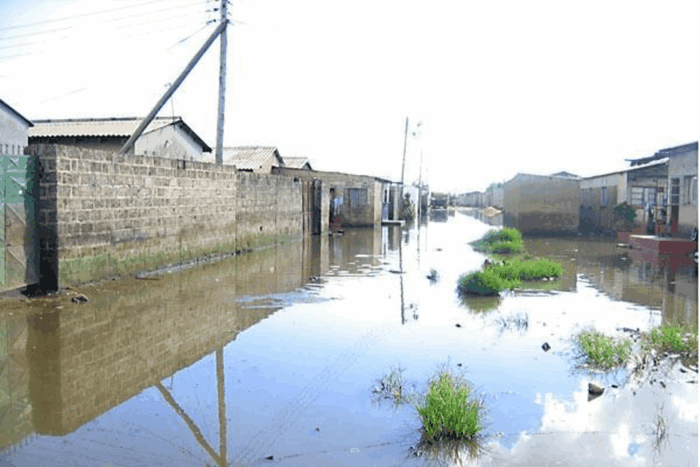
Two things became clear when I started working in the water sector in Lagos State, Nigeria (West Africa) about twenty-five years ago: clean water is essential for life, and polluted water can be fatal. From available data, an estimated 1 out of 9 children under the age of five die per year, while over 100,000 deaths in the country are attributed to diseases due to unsafe water and sanitation as well as poor hygiene. Also, the prevalence rate of stunting in children under 5 years is estimated at 32%, attributed to frequent bouts of diarrhoea, which limit nutrient absorption [1].
Regulation
Reflections about the role played by regulators in ensuring water safety
Globally, the progress towards achieving Sustainable Development Goal 6 on ensuring sustainable water and sanitation access for all is lacking. Apparently, we need a sixfold increase in efforts for safe drinking water, a fivefold increase for sanitation, and a threefold increase for basic hygiene services (United Nations Children’s Fund (UNICEF) and World Health Organization (WHO) 2023).
Technology
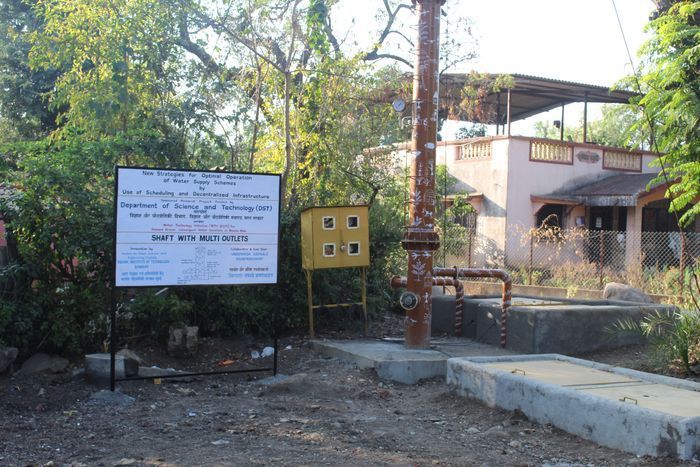
Learning by Unlearning: Lessons from Saphale town on Safe Drinking Water
My first visit to Saphale, in Palghar district of Maharashtra, India, was in 2017. I arrived full of enthusiasm and confidence that my team and I could offer technological solutions to improve access to safe drinking water in this emerging town with a population of about 30,000 (administratively still classified as a village). Our first step was studying the local water supply system and its challenges. But very quickly, something shifted, and we quickly realised that we had much more to learn about what it truly takes to provide safe drinking water on the ground.